



Dreaming of a Tent: Travel, Status—or a Cautionary Sign?
Discover what dreaming of a tent means—travel, home, rank, or warning. Read authoritative Islamic interpretations and how condition, color, and actions shift the message.
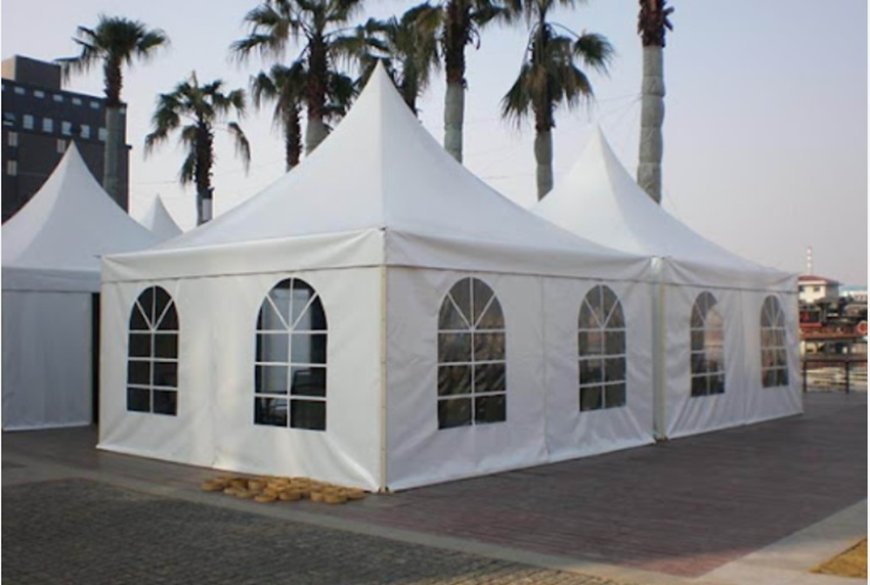


Dreaming of a Tent: Travel, Status—or a Cautionary Sign?
DREAMS WISDOM / DREAMSWISDOM.COM
Core Meaning: What a Tent Symbolizes
In the canon of Islamic dream interpreters (Ibn Sīrīn, al-Nābulusī, Molla Cāmî, Diyanet), a tent points to journeying, home and household, a spouse, a grave, or temporary station in life. Because a tent is a movable dwelling, it often marks transience—a chapter of transition, relocation, or changing responsibilities. The precise reading depends on where the tent stands (desert vs. city), its condition (new vs. torn), its color (white/green), and your action (sitting, pitching, leaving, dismantling).
Sitting in a Pitched Tent: Authority, Property, or a Profitable Trip
Ibn Sīrīn and Ihyā̄ note that sitting in an already set-up tent signifies property, influence, and stable footing. If you see soldiers or an encampment around it, the scale of the force mirrors the extent of gain. For merchants, a tent frequently heralds a lucrative journey—new routes, clients, or markets. Al-Nābulusī adds: if a tent is raised specifically for you, rulers see augmented authority, soldiers a posting, and traders honor and benefit on the road.
New vs. Torn: Joy or Loss
Ihyā̄ treats a new tent as a sign of joy and relief. By contrast, an old or torn tent warns of loss, grief, or financial strain. Seyyid Süleyman likewise links a worn tent to setbacks, adding that if a tent clearly belongs to someone, the meaning is applied to that person’s sphere (family, work, estate).


Pitching, Dismantling, or Leaving the Tent
To pitch a tent points to securing a home, relocating, or founding a new base—from changing address to launching a branch office. Dismantling or carrying off a tent can signal removal from a post, a forced move, or a major reset; it is a caution to plan transitions carefully. Walking out of your tent can indicate loss of standing or support; al-Nābulusī frames it as falling from rank or parting from aides, calling for patience, advice, and reputational repair.
Grand Tents, Domes, Color and Poles: Fine-Grained Clues
Molla Cāmî says a grand pavilion implies great capacity, resources, and a strong will. Unmarked white or green tents often allude to martyrs’ graves—read as a call to piety, remembrance, and prayer.
Practical cues matter: Ihyā̄ reads a collapsed center pole as illness or a lapse in devotional discipline; a short main pole warns of negligence in prayer. A neighboring white tent can describe someone who enjoins good and repents from major sins. Many tents together evoke clouds—a metaphor for mercy, movement, and collective endeavors (Diyanet also links “many tents” to joining cooperatives/partnerships).
Royal Presence, Rituals, and Moral Inflection
Seeing a ruler seated in your tent is a classic sign of affairs set right and prevailing over rivals. Al-Nābulusī records that witnessing a ritual inside a tent can portray a sudden infatuation or attachment (sometimes phrased as love for a “maiden of the court”), a reminder to guard one’s affections and judgments.
Role-Specific Readings
-
Head of state/leader: a tent raised for you → expanded authority.


-
Soldier: assignment or new post.
-
Merchant/professional: journey + profit, new networks.
-
Single dreamers: strong pointer to marriage/home-making, as tents double as household symbols.
Closure and Life Review
Seeing your own tent rolled up and stored is among the more solemn motifs: al-Nābulusī and Diyanet read it as an end-of-term sign—time to repent, put affairs in order, and reconcile accounts—spiritually and practically.
What's Your Reaction?
 Like
0
Like
0
 Dislike
0
Dislike
0
 Love
0
Love
0
 Funny
0
Funny
0
 Wow
0
Wow
0
 Sad
0
Sad
0
 Angry
0
Angry
0

Editorial Desk |DreamWisdom.com is a comprehensive knowledge and editorial platform focused on dreams, dream interpretation, and dream science. The platform explores religious, psychological, cultural, and scientific perspectives, bringing together classical dream traditions with modern analytical approaches.




















Comments (0)