



The Cyprus Dream: When Visions Steered Ottoman Power
How three palace dreams—from Selim II’s vision of Cyprus to Ahmed I’s “wrestling” image and Osman II’s warning—shaped Ottoman decisions, morale, and legitimacy, showing dreams as symbolic tools within statecraft.


“The Cyprus Dream”: When Visions Steered Ottoman Power
DREAMS WISDOM / DREAMSWISDOM.COM
A Campaign Foretold
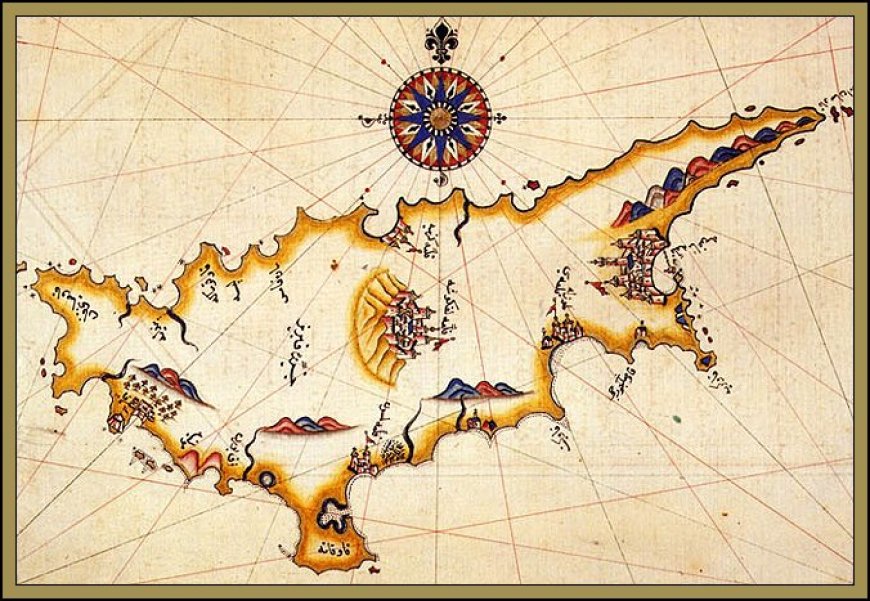
Ottoman court chronicles recount that Sultan Selim II dreamed of the Prophet promising victory in Cyprus—on the condition that a mosque be endowed in gratitude. Despite initial hesitation within the Imperial Council, the campaign went ahead and the island fell to Ottoman rule in short order. A mosque commonly associated with this vow, later known as Selimiye, was endowed as a gesture of thanks. In this episode, a private vision moved from the bedchamber to the war room, turning a symbolic omen into state policy.
From Vision to Strategy: Ahmed I’s “Wrestling” Dream
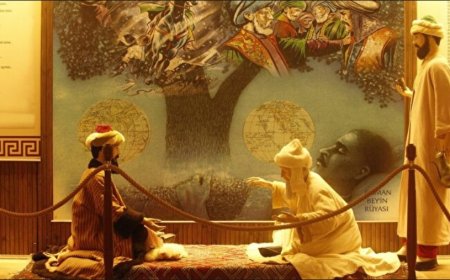
Another palace vision belongs to Sultan Ahmed I. He dreamed of wrestling the Habsburg ruler and falling on his back—an image the court first read as defeat. Seeking a second opinion, the sultan appealed to the renowned Sufi master Aziz Mahmud Hüdayi. Hüdayi’s response flipped the script: in humans, the back (“arka”) and in inanimate matter, the earth (“toprak”) are the strongest elements; back touching ground signified the meeting of two strengths. Far from predicting loss, the dream, he argued, prefigured resilience and victory. In the months that followed, Ottoman arms logged successes against Austria, and the vision was woven into the empire’s morale narrative.
The Sheikh’s Pen and ‘Dream Diplomacy’
Aziz Mahmud Hüdayi’s role in these stories shows how dream interpretation functioned as a disciplined advisory practice. His written replies—solicited like formal opinions—treated dreams not as superstitions but as symbolic briefings that could steady the sovereign’s hand, calibrate timing, and restore cohesion among elites. In effect, “dream diplomacy” operated alongside political counsel, aligning court psychology with military and administrative objectives.


A Warning Unheeded: Osman II and the Istanbul Revolt
Sultan Osman II (Genç Osman) shared a stark dream as he prepared—contentiously—to undertake the Hajj. Sitting armored on his throne and reciting the Qur’an, he saw the Prophet remove his breastplate and the holy book from his hands, then strike his face. Early readings framed this as a divine admonition to purify intention; Hüdayi went further, warning that the sultan’s departure from Istanbul could trigger grave unrest. News of the journey nevertheless spread, stoking Janissary anxiety. The ensuing revolt cost Osman II first his throne and then his life. The episode remains a textbook case of a “warning dream” ignored amid combustible politics.
Why Dreams Mattered in the Ottoman Palace
Across these cases, dreams neither dictated fate nor floated harmlessly above it. They functioned as cultural instruments that shaped legitimacy, resolve, and narrative control. Selim II’s vision accelerated a strategic gamble; Ahmed I’s dream fortified confidence before battle; Osman II’s vision posed a caution that political reality made perilous to dismiss. In the Ottoman repertoire, dreams helped leaders frame risks, mobilize consensus, and craft meaning in moments of decision. History turned on logistics, finance, and force—but also on stories sovereigns told themselves, their courts, and their subjects.


What's Your Reaction?
 Like
0
Like
0
 Dislike
0
Dislike
0
 Love
0
Love
0
 Funny
0
Funny
0
 Wow
0
Wow
0
 Sad
0
Sad
0
 Angry
0
Angry
0

Editorial Desk |DreamWisdom.com is a comprehensive knowledge and editorial platform focused on dreams, dream interpretation, and dream science. The platform explores religious, psychological, cultural, and scientific perspectives, bringing together classical dream traditions with modern analytical approaches.



















Comments (0)