



Paul McCartney Found the Melody of “Yesterday” in a Dream
Paul McCartney discovered the melody of “Yesterday” in a dream. What began as “Scrambled Eggs” later became one of the most iconic and most covered songs in history.
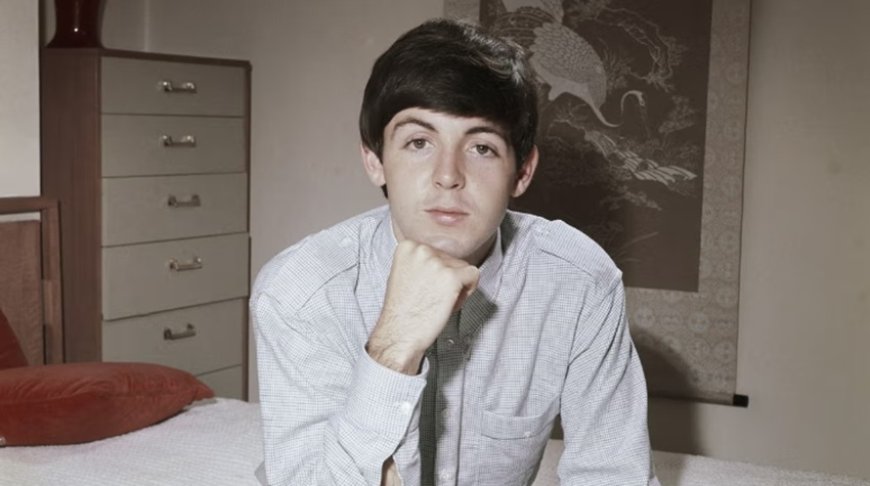


Paul McCartney Found the Melody of “Yesterday” in a Dream
DREAMS WISDOM / DREAMSWISDOM.COM
A Song Born From a Dream
The Beatles’ timeless ballad Yesterday—the most covered song in music history—was born not in a studio, but in the subconscious of Paul McCartney. The legendary musician awoke one morning with a haunting melody in his mind, a tune so vivid that he immediately sat at the piano beside his bed and began to play.
In his 1998 biography Many Years From Now, McCartney recalled: “I woke up with this beautiful tune in my head. I thought, ‘What is this?’ I went to the piano, found the chords—G, F-sharp minor 7, B, E minor, then E—and it all flowed naturally. I loved the melody, but I couldn’t believe I had dreamed it.”
From “Scrambled Eggs” to “Yesterday”
Initially, McCartney feared he might have unconsciously copied someone else’s song. For months, he asked friends and colleagues if they had heard the tune before. To keep it alive in his memory, he set temporary lyrics to the melody—comical lines about breakfast foods. The early version of the ballad was called “Scrambled Eggs.”


Only later did the playful lyrics transform into the poetic lament that became Yesterday. The song evolved into a reflection on love, loss, and longing—universals that resonated far beyond the playful origins of its melody.
Chart-Topping Success
In September 1965, Yesterday was officially released. Within weeks, it soared to the top of the U.S. Billboard Hot 100 chart. Its simplicity and emotional depth distinguished it from the rest of The Beatles’ catalog, cementing it as one of their most iconic works.
The song’s journey—from a fleeting dream to a global phenomenon—remains one of the most remarkable stories in modern music. Today, with over a thousand recorded covers, Yesterday still embodies the magical power of inspiration.
Dreams as Creative Catalysts
McCartney’s story highlights how dreams can act as a direct bridge to creativity. Dreams often bypass conscious control, revealing images, sounds, and ideas that might otherwise remain hidden. In McCartney’s case, the dream delivered a gift—pure inspiration, untouched by logic or planning.


His experience reminds us that dreams are not only private experiences of the night but also timeless sources of art that can shape cultural history.
What's Your Reaction?
 Like
0
Like
0
 Dislike
0
Dislike
0
 Love
0
Love
0
 Funny
0
Funny
0
 Wow
0
Wow
0
 Sad
0
Sad
0
 Angry
0
Angry
0

Editorial Desk |DreamWisdom.com is a comprehensive knowledge and editorial platform focused on dreams, dream interpretation, and dream science. The platform explores religious, psychological, cultural, and scientific perspectives, bringing together classical dream traditions with modern analytical approaches.


















Comments (0)