



Lincoln’s Prophetic Dream Before the Assassination: A President Lying in State
Days before his death, Abraham Lincoln described a dream of a president lying in state at the White House. Long debated by historians, the account speaks to Lincoln’s sensitivity to dreams and the era’s heightened sense of peril at the Civil War’s end.


Lincoln’s ‘Prophetic’ Dream Before the Assassination: A President Lying in State
DREAMS WISDOM / DREAMSWISDOM.COM
A Vision in the East Room
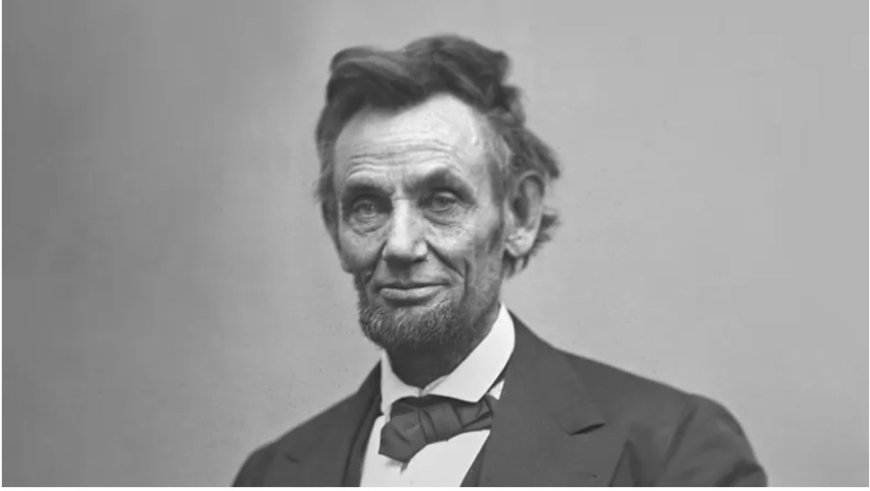
Ten days before he was shot, President Abraham Lincoln reportedly told his wife and close friends about a disturbing dream. In it, he wandered the corridors of the White House, hearing sounds “like subdued sobs.” When he entered the East Room, he saw a covered corpse guarded by soldiers and surrounded by mourners. “Who has died in the White House?” he asked a sentinel. “The President—killed by an assassin,” came the reply. Lincoln woke shaken and sleepless but insisted the dead man in the dream was “someone else,” not himself. The account—most fully described by friend and bodyguard Ward Hill Lamon—would become one of the most retold episodes in American political lore.
Ford’s Theatre and a Wider Conspiracy
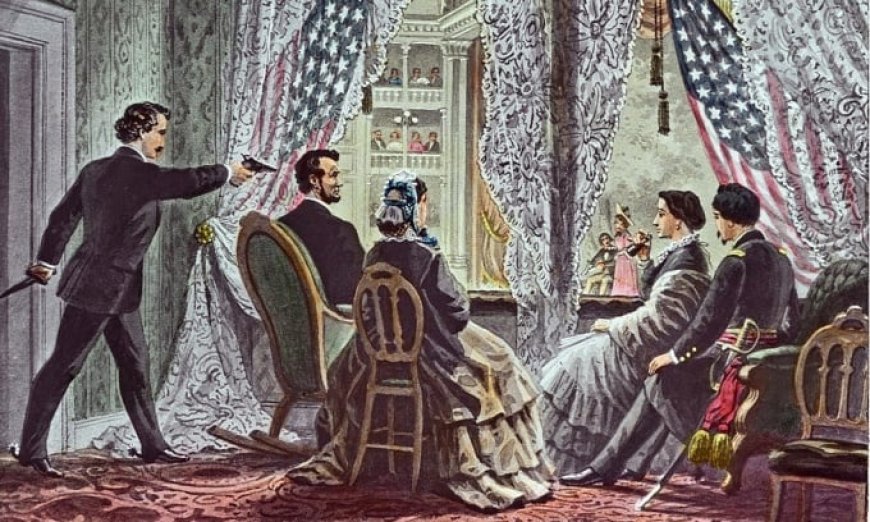
On the night of April 14, 1865, Lincoln attended a performance at Ford’s Theatre in Washington, D.C., where actor John Wilkes Booth slipped into the presidential box and fired the fatal shot. The plot aimed to decapitate Union leadership: Secretary of State William H. Seward was gravely wounded in a separate attack, while a planned strike on Vice President Andrew Johnson never materialized. Within weeks, the Civil War ended with Union victory, but the nation entered mourning—an image eerily similar to Lincoln’s dream of a president lying in state within the White House.
A President Attuned to Dreams
Lincoln did not dismiss dreams. Cabinet members recalled him describing, on the very morning of the assassination, a recurring dream of “sailing swiftly over dark, unknown waters”—a prelude, he said, to nearly every major turning point of the war. In an 1863 letter to his wife Mary, he even urged her to remove their young son’s pistol after “a bad dream” about it. For Lincoln, night visions functioned as private weather reports of the psyche: not supernatural commands, but strong signals about peril, responsibility, and fate.


History Weighs the Evidence
Lamon published his version of the East Room dream in the 1880s—roughly two decades after the assassination—prompting healthy skepticism among historians. Why, critics asked, did neither Lamon nor First Lady Mary Lincoln cite the tale publicly in the immediate aftermath? Pulitzer Prize–winning historian Don E. Fehrenbacher urged caution, even as many reputable authors repeated the story as fact. Skeptics also note Lincoln had survived prior threats; under such constant danger, a funeral dream is psychologically plausible without being prophetic. Yet the narrative endures because it captures the moral intensity of the war’s final days and the president’s acute awareness of risk.
Why the Story Endures
Regardless of literal accuracy, the dream’s power lies in how it frames leadership under existential strain. It situates Lincoln—already a figure of near-mythic stature—within a timeless human drama: a statesman confronting mortality while the nation teeters between war and peace. The White House East Room, the setting for public mourning, becomes a symbolic stage on which duty, sacrifice, and grief converge. In that sense, the dream functions less as fortune-telling than as a potent narrative of reckoning—echoing how societies convert trauma into collective memory.


What's Your Reaction?
 Like
0
Like
0
 Dislike
0
Dislike
0
 Love
0
Love
0
 Funny
0
Funny
0
 Wow
0
Wow
0
 Sad
0
Sad
0
 Angry
0
Angry
0

Editorial Desk |DreamWisdom.com is a comprehensive knowledge and editorial platform focused on dreams, dream interpretation, and dream science. The platform explores religious, psychological, cultural, and scientific perspectives, bringing together classical dream traditions with modern analytical approaches.


















Comments (0)