



Plato’s Dream Analysis: From the Mirror of the Soul to the Shadows of Truth
Plato’s reflections on dreams reveal them as both expressions of hidden desires and messages from the divine. His insights from The Republic, Timaeus, and Phaedo still influence how we understand the meaning of dreams today.
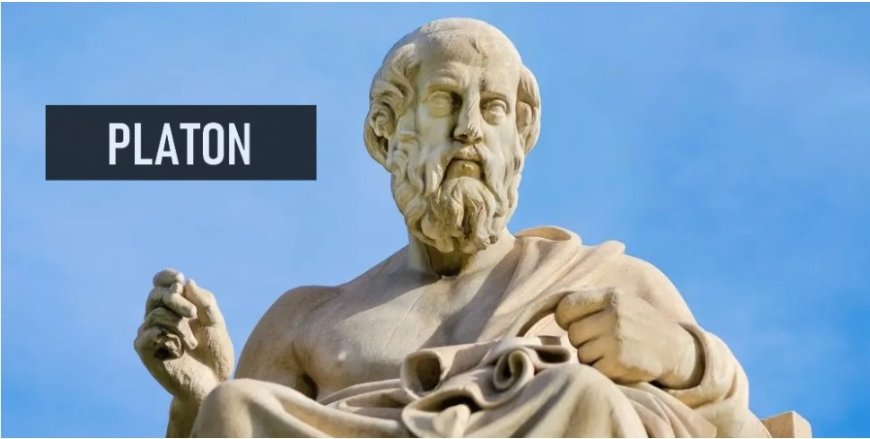


Plato’s Dream Analysis: From the Mirror of the Soul to the Shadows of Truth
DREAMS WISDOM / DREAMSWISDOM.COM
Dreams in Ancient Greek Philosophy
Over 2,400 years ago, Plato, one of the founding figures of Western philosophy, approached dreams not as random illusions of sleep but as profound reflections of the soul, morality, and even truth itself. Long before modern psychology or neuroscience, Plato treated dreams as both windows into human desire and as channels of divine communication, offering interpretations far ahead of his time.
The Republic: Dreams and the Inner “Beast”
In The Republic, Plato presents one of his most striking analyses of dreams. He divides the soul into three parts—reason, spirit, and appetite—and notes that during sleep, rational control weakens, allowing primitive and “beast-like” desires to surface. Socrates, speaking in the dialogue, describes how even the most virtuous individuals harbor suppressed impulses such as violence or excess, which emerge in dreams when reason’s grip loosens. This anticipates Sigmund Freud’s later theory of the unconscious and repressed desires. For Plato, dreams serve as a moral testing ground, reflecting the character of the soul. A philosopher’s disciplined soul produces calm and ordered dreams, while a tyrannical soul reveals chaos and corruption.
Timaeus and Phaedo: Divine Messages and Prophecy
Plato’s perspective on dreams was not limited to dark impulses. In Timaeus, he argues that dreams can serve as divine messages or prophecies. The gods, he believed, could communicate with humans through symbolic visions that required careful interpretation by seers. Similarly, in Phaedo, Socrates recounts repeated dreams urging him to “make music,” which he interpreted as encouragement toward philosophy, and later, poetry. Such examples reveal Plato’s belief in dreams as guiding forces in human destiny.


Dreams, Knowledge, and the Shadows of Reality
Plato’s famous Theory of Forms frames dreams within a larger philosophical context. Just as the physical world is a shadow of the realm of Ideas, dreams themselves are shadows of lived experience—a “shadow of a shadow.” They often mislead rather than guide. Yet, when divinely inspired and properly interpreted, dreams may grant glimpses into higher truth, sparking philosophical reflection and moral growth.
A Lasting Legacy
Plato’s analysis highlights the dual nature of dreams: as expressions of hidden impulses and as possible conduits of divine wisdom. This layered perspective continues to resonate today, reminding us that dreams are not merely biological phenomena but intersections of psychology, morality, and spirituality. By examining both the chaos of our inner desires and the whispers of higher truth, Plato invites us to listen more closely to the messages within our dreams.


What's Your Reaction?
 Like
0
Like
0
 Dislike
0
Dislike
0
 Love
0
Love
0
 Funny
0
Funny
0
 Wow
0
Wow
0
 Sad
0
Sad
0
 Angry
0
Angry
0

Editorial Desk |DreamWisdom.com is a comprehensive knowledge and editorial platform focused on dreams, dream interpretation, and dream science. The platform explores religious, psychological, cultural, and scientific perspectives, bringing together classical dream traditions with modern analytical approaches.





















Comments (0)