



Adler and Dreams: Not Prophecies, but Emotional Strategies for Life
An exploration of Alfred Adler’s theory of dreams: not prophecies, but emotional strategies that reinforce lifestyle, focusing on three key mechanisms—selection, metaphor/symbol, and simplification.
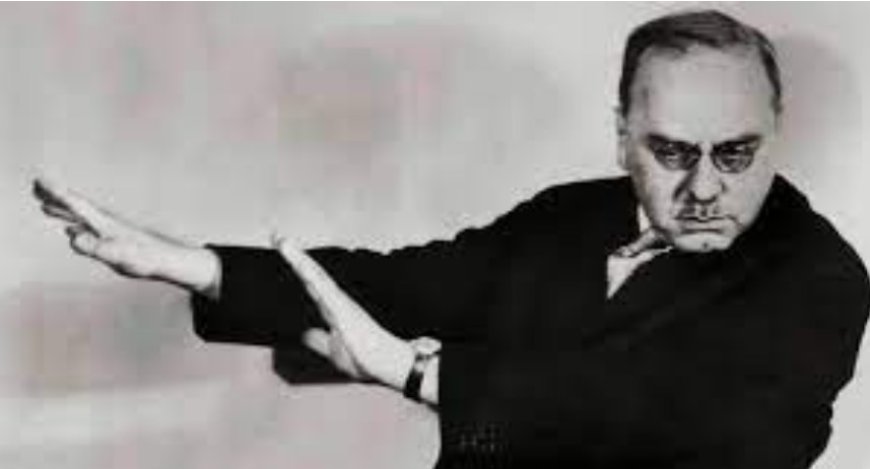


Adler and Dreams: Not Prophecies, but Emotional Strategies for Life
DREAMS WISDOM / DREAMSWISDOM.COM
Dreams as a Universal Human Activity
According to Alfred Adler, dreams are a universal function of the human mind, emerging naturally through innate mental faculties. Unlike prophetic visions or mystical signs, dreams in Adler’s theory do not foretell the future. Instead, they complicate our understanding of current circumstances and create emotional states that influence how individuals approach their problems. Far from being random or meaningless, dreams act as subtle psychological tools that reinforce one’s lifestyle and coping strategies.
Breaking with Freud: Future Orientation over Past Desires
Adler diverged sharply from Sigmund Freud’s interpretation of dreams as the fulfillment of repressed childhood wishes. In Adler’s view, dreams are not backward-looking but forward-looking, helping the dreamer emotionally prepare for challenges ahead. While Freud emphasized unconscious sexual or instinctual satisfaction, Adler argued that dreams cultivate specific moods and attitudes to guide behavior. The real power of a dream lies in the feelings it evokes—whether anxiety, courage, or reassurance—which shape actions the following day.
Three Mechanisms of Dream Formation
Adler identified three central processes in dream construction. (1) Selection: The dreamer chooses certain images guided by individuality, framing problems in a way that supports their perspective. (2) Metaphors and symbols: Dreams employ figurative language to bypass rational analysis, stirring emotions and prompting action. (3) Simplification: Complex conflicts are reduced to manageable fragments, allowing the dreamer to find temporary relief. Together, these mechanisms reveal how dreams serve self-deception, helping individuals emotionally justify their struggles.


Dreams Reflect Lifestyle, Not an Escape from Reality
For Adler, there is no contradiction between waking life and dream life. A person striving for superiority by day will wrestle with similar themes in dreams at night. Dreams therefore mirror, rather than oppose, one’s lifestyle. Individuals who confront problems rationally may dream less often or forget their dreams quickly, while those who rely on emotional detours experience frequent and vivid dreams. In this way, dreaming becomes a measure of how one balances rationality and self-deception.
Symbolic Insights: Helpful Clues, Not Absolute Codes
Adler offered interpretations of common dream motifs but warned against treating them as fixed symbols. For example, falling may suggest fear of losing self-worth, flying could express ambition, trains may symbolize missed opportunities, and poor clothing might reveal fear of exposure. These symbols, however, gain meaning only within the dreamer’s individual context. Ultimately, the significance of a dream rests less in the imagery itself and more in the emotional impact it leaves on the dreamer.
Clinical Applications: Recording, Reflection, and Emotional Awareness
In therapy, Adler used dreams alongside childhood memories to understand patients more fully. He encouraged the recording of recurring dreams and the exploration of their emotional tone. The purpose was not to decode a universal dream dictionary but to observe how dreams reinforced or challenged the individual’s daily struggles. By identifying emotional strategies hidden in dreams, patients could better recognize self-deceptive tendencies and work toward more rational, constructive solutions.


What's Your Reaction?
 Like
0
Like
0
 Dislike
0
Dislike
0
 Love
0
Love
0
 Funny
0
Funny
0
 Wow
0
Wow
0
 Sad
0
Sad
0
 Angry
0
Angry
0

Editorial Desk |DreamWisdom.com is a comprehensive knowledge and editorial platform focused on dreams, dream interpretation, and dream science. The platform explores religious, psychological, cultural, and scientific perspectives, bringing together classical dream traditions with modern analytical approaches.





















Comments (0)