



Black Seed & Its Oil: From Tradition to Today’s Evidence
A clear, newsroom-style explainer on black seed (Nigella sativa) and its oil: origins, nutrition and thymoquinone, evidence-based potential benefits (metabolic, respiratory, skin), practical use, and safety guidance.


Black Seed & Its Oil: From Tradition to Today’s Evidence
DREAMS WISDOM / DREAMSWISDOM.COM
What is black seed (Nigella sativa)?
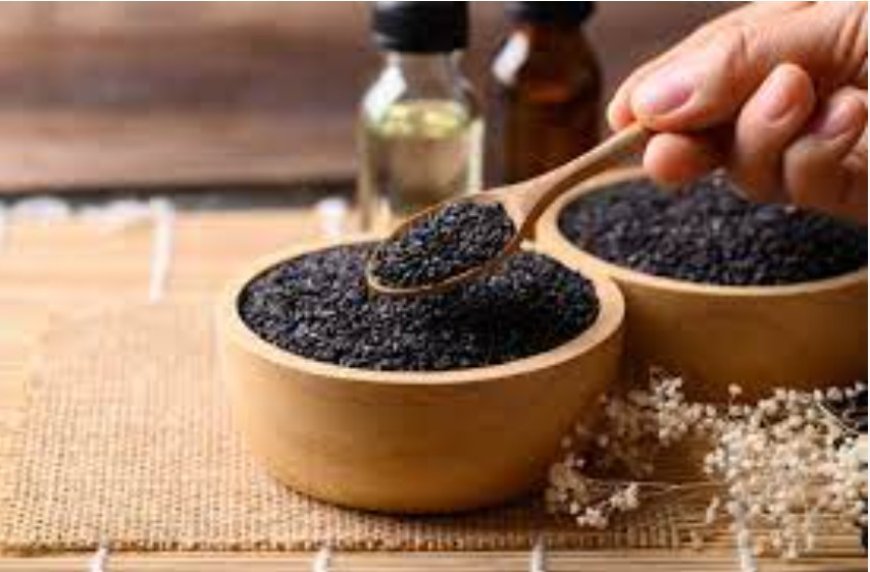
Known globally as Nigella sativa, black seed is a flowering plant from the buttercup family native to West Asia and Eastern Europe and widely cultivated in Türkiye. Despite nicknames like black cumin or Roman coriander, it is unrelated to cumin. The small jet-black, teardrop-shaped seeds taste slightly bitter and peppery; ground seeds are used as a spice, while cold-pressed black seed oil is used as a culinary and wellness product. Its culinary and medicinal use dates back to Greco-Arabic traditions and Avicenna’s writings.
Nutrition & active compounds
Black seed provides plant protein, fibers, and minerals (notably iron and zinc) alongside B-vitamins. Typical analyses report roughly ~20% protein, ~38% fats, ~8% fiber. The oil’s signature molecule is thymoquinone, studied for antioxidant and anti-inflammatory activity. Together with unsaturated fatty acids, these compounds may help modulate oxidative stress and inflammatory pathways.
What the research suggests: potential benefits
-
Metabolic health: Small clinical studies associate black seed or its oil with improvements in fasting glucose, insulin resistance, LDL cholesterol, and triglycerides. Effects vary by dose, duration, and individual profile; this is supportive, not curative, evidence.


-
Immune & respiratory support: Antioxidant and anti-inflammatory effects may ease seasonal allergies and asthma/bronchitis symptoms in some people. Use as a complement to, not a replacement for, prescribed treatment.
-
Liver, gut & microbiome: Early data suggest better liver enzyme profiles and subjective relief in indigestion, gas, appetite fluctuations, and bowel regularity.
-
Skin & hair: When diluted and applied topically, users report calmer acne, eczema, psoriasis, less itching/redness, and improved skin barrier; hair looks shinier and less brittle. Always patch-test first.
-
Cognition & fertility: Preliminary findings note possible support for memory/attention and sperm parameters (count/motility). These are promising but not definitive.


How to use it—kitchen to routine
-
Culinary: Sprinkle whole or ground seeds on breads, salads, soups, pilafs, and mezes.
-
Oil: Use cold-pressed oil unheated—drizzle over foods or take by spoon. Common practice for healthy adults is ½–1 tsp up to 1 Tbsp daily, preferably with food to reduce stomach upset. For regular or therapeutic use, consult your clinician.
-
Topical: Mix a few drops with a carrier oil before applying to skin or scalp; perform a patch test (24–48h).
Safety, side effects & who should avoid
Black seed and its oil are generally well tolerated, but excessive intake may cause nausea, dyspepsia, dizziness, or allergic reactions; very high, prolonged use could stress kidney/liver function in vulnerable individuals.
Seek medical advice before use if you are pregnant or breastfeeding, have diabetes, hypertension, bleeding disorders, kidney/liver disease, or take regular medications (e.g., anticoagulants, antihypertensives, antidiabetics). Supplements and botanicals do not replace medical treatment.
What's Your Reaction?
 Like
0
 Dislike
0
 Love
0
 Funny
0
 Wow
0
 Sad
0
 Angry
0

Editorial Desk |DreamWisdom.com is a comprehensive knowledge and editorial platform focused on dreams, dream interpretation, and dream science. The platform explores religious, psychological, cultural, and scientific perspectives, bringing together classical dream traditions with modern analytical approaches.


















Comments (0)