



Olive Milk (First Drip Olive Oil): What It Is, How It’s Made, and What It May Offer
A clear guide to “olive milk” (first drip olive oil): what it is, how it’s made, potential dietary and cosmetic uses, serving/storage tips, and how to source authentic bottles.



Olive “Milk” (First Drip Olive Oil): What It Is, How It’s Made, and What It May Offer
DREAMS WISDOM / DREAMSWISDOM.COM
What Exactly Is “Olive Milk”?
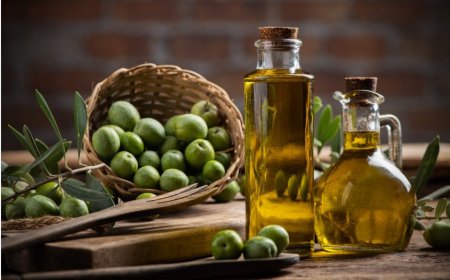
Often called first drip, boat oil, or raw cold-press, “olive milk” is the tiny fraction of oil that oozes naturally from freshly milled olive paste before any heat, water, or refining is applied. Unlike standard extra-virgin olive oil (EVOO), this early run is unfiltered, minimally handled, and prized for its robust aroma and high phenolic content. Because yields are extremely low, it’s rare and typically more expensive than conventional EVOO.
From Stone Mill to Bottle: The Traditional Process
Select olives—ideally hand-harvested and free of bruising—are washed and crushed into paste, traditionally in stone mills. The paste is then spread into fiber mats or bags and stacked. Under heavy mechanical pressure, the very first droplets that seep out—before any warm water rinsing or industrial centrifuging—are collected as “olive milk.” With no heat or chemical refining, this oil can appear slightly cloudy and intensely fragrant. Typical artisanal yields are slim (roughly 1 kg from 100 kg of olives), which explains the price and limited availability.
Potential Benefits: Why Enthusiasts Seek It Out
As a raw, early fraction, olive milk may retain a dense profile of monounsaturated fats (notably oleic acid) and bioactive polyphenols. In the context of a balanced diet, these compounds are associated with:


-
Cardiometabolic support: helping maintain healthy blood lipids and blood pressure.
-
Antioxidant activity: contributing to defenses against oxidative stress.
-
Digestive comfort: traditional use notes a pleasant, peppery finish that some link with bile flow and post-meal ease.
These are potential food-based benefits—not a substitute for medical care. Individual responses vary and high-quality evidence for specific claims can differ by product, harvest, and handling.
Skin & Hair: Cosmetic Uses at a Glance
Thanks to vitamin E and other antioxidants, some people apply a thin film of olive milk as an occlusive moisturizer, makeup remover, or to soften the look of fine lines. On the scalp and hair, it’s used to add sheen and reduce visible dryness. Because natural oils can be comedogenic for some, patch-test first and discontinue if irritation occurs.


How to Use, Store, and Serve
Olive milk shines in raw applications: drizzle over salads, legumes, grilled vegetables, or yogurt; swirl into soups after cooking; or enjoy a teaspoon neat to appreciate its flavor. Heat can dull delicate phenolics, so keep cooking exposure brief or add at the end. For storage, choose a dark glass bottle with a tight cap; keep it cool, dark, and dry to minimize light, heat, and oxygen.
Price, Authenticity, and Sourcing
Given the labor and low yield, genuine olive milk commands a premium. To avoid adulteration, buy from producers who disclose harvest date, variety, region, and pressing method. Sensory cues (fresh cut-grass nose, balanced fruit/bitterness, peppery finish) and laboratory phenolic data—when provided—can help validate quality. Artisanal mills in established olive regions often release small seasonal lots.
Medical Disclaimer: This content is for general information only and does not constitute medical advice. Always consult a qualified healthcare professional before starting, stopping, or changing any treatment—especially if you are pregnant or breastfeeding, have a medical condition, or take prescription medicines.
U.S.: These statements have not been evaluated by the FDA and are not intended to diagnose, treat, cure, or prevent any disease.
U.K./EU: Not approved by MHRA/EMA. In an emergency, call 911/999.
What's Your Reaction?
 Like
0
Like
0
 Dislike
0
Dislike
0
 Love
0
Love
0
 Funny
0
Funny
0
 Wow
0
Wow
0
 Sad
0
Sad
0
 Angry
0
Angry
0

Editorial Desk |DreamWisdom.com is a comprehensive knowledge and editorial platform focused on dreams, dream interpretation, and dream science. The platform explores religious, psychological, cultural, and scientific perspectives, bringing together classical dream traditions with modern analytical approaches.



















Comments (0)