



The Health Benefits of Dates: Fiber, Heart Support, and What the Science Suggests
A concise, research-informed guide to dates: nutrition facts, easy ways to enjoy them, potential health benefits—from digestion and heart support to antioxidants—plus storage tips and who should be cautious.
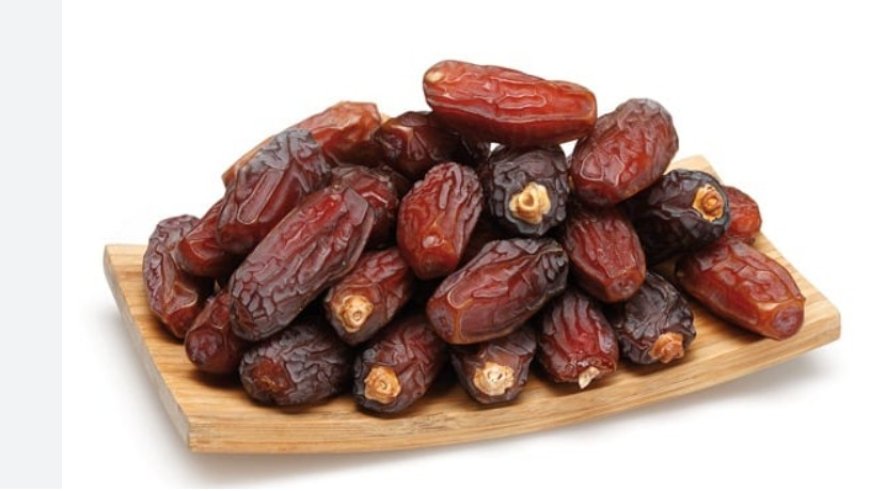


The Health Benefits of Dates: Fiber, Heart Support, and What the Science Suggests
DREAMS WISDOM / DREAMSWISDOM.COM
What Are Dates? A Quick Primer
Dates are the sweet fruit of the date palm (Phoenix dactylifera), a staple across the Middle East for millennia and now enjoyed worldwide in both fresh and dried forms. Their rich caramel-like taste comes from natural fructose, while size, texture, and color vary by variety and ripeness.
Nutrition Snapshot: Small Fruit, Big Value
One average dried date (~20 kcal) provides roughly 5.3 g carbohydrate, 0.6 g fiber, 4.5 g natural sugars, and trace amounts of protein—along with vitamin B6, iron, magnesium, and potassium.
-
Fiber supports regularity and digestive comfort.


-
Potassium contributes to normal blood pressure and muscle function.
-
Magnesium participates in energy metabolism.
How to Eat and Store Dates
-
Smart snacks: Pair with almonds, walnuts, or pistachios for a fiber-fat balance.
-
Salads & bowls: Chopped dates add natural sweetness to grain bowls and greens.


-
Sips & bites: Blend with banana for a smoothie; pulse with oats and nuts for no-bake energy bites.
-
Storage: Fresh dates keep for months refrigerated in an airtight container; dried dates last ~1 year sealed at room temperature and even longer if frozen.
Potential Health Benefits (What Research Suggests)
-
Digestive support: The fiber in dates helps promote regular bowel movements and may ease occasional constipation, supporting overall gut comfort.
-
Blood-sugar balance: Despite their sweetness, dates have a relatively low glycemic index compared with many sweets. When eaten in sensible portions, their fiber and polyphenols may help blunt glucose spikes. Portion control remains key due to calorie density.
-
Heart health: Diets higher in fiber, potassium, and polyphenols are associated with healthier arteries and a reduced risk of cardiovascular disease. Potassium helps support normal blood pressure.
-
Antioxidant protection: Dates contain polyphenols and lignans that help counter oxidative stress—one factor linked to chronic conditions such as type 2 diabetes, colorectal cancer, and heart disease.
-
Brain function: B-vitamins and antioxidant activity may complement a brain-healthy lifestyle, though dates should be viewed as part of an overall pattern, not a stand-alone solution.
-
Bone support: Dates provide copper, magnesium, selenium, manganese, and vitamin K, all of which play roles in bone metabolism and maintenance.
-
Childbirth support (emerging evidence): Small studies suggest that eating dates late in pregnancy may support cervical ripening and ease of labor. Always consult your obstetric provider before changing your diet during pregnancy.
-
Weight management (context matters): Fiber promotes fullness, and a couple of dates pre-workout can offer quick energy. Still, dates are calorie-dense—monitor portions within your overall calorie budget.
Who Should Be Careful? Risks and Considerations
-
Allergy & sulfite sensitivity: Some dried dates contain sulfites as preservatives, which can trigger symptoms (itching, runny nose, hives) in sensitive individuals.
-
Glycemic concerns: People with diabetes or insulin resistance should plan portion sizes with a clinician or dietitian.
-
Dental health: Sticky texture plus natural sugars can raise cavity risk—maintain good oral hygiene, especially after snacking.
Medical Disclaimer: This content is for general information only and does not constitute medical advice. Always consult a qualified healthcare professional before starting, stopping, or changing any treatment—especially if you are pregnant or breastfeeding, have a medical condition, or take prescription medicines.
U.S.: These statements have not been evaluated by the FDA and are not intended to diagnose, treat, cure, or prevent any disease.
U.K./EU: Not approved by MHRA/EMA. In an emergency, call 911/999.
What's Your Reaction?
 Like
0
Like
0
 Dislike
0
Dislike
0
 Love
0
Love
0
 Funny
0
Funny
0
 Wow
0
Wow
0
 Sad
0
Sad
0
 Angry
0
Angry
0

Editorial Desk |DreamWisdom.com is a comprehensive knowledge and editorial platform focused on dreams, dream interpretation, and dream science. The platform explores religious, psychological, cultural, and scientific perspectives, bringing together classical dream traditions with modern analytical approaches.



















Comments (0)