Dreaming of Mud: Trials, Purification, and the Fine Balance of Fate
What does dreaming of mud mean? Explore illness, repentance, travel, inheritance, and provision through Islamic readings—discover the complete guide now!
Dreaming of Mud: Trials, Purification, and the Fine Balance of Fate
DREAMS WISDOM / DREAMSWISDOM.COM
Overview: From Earth to Omen
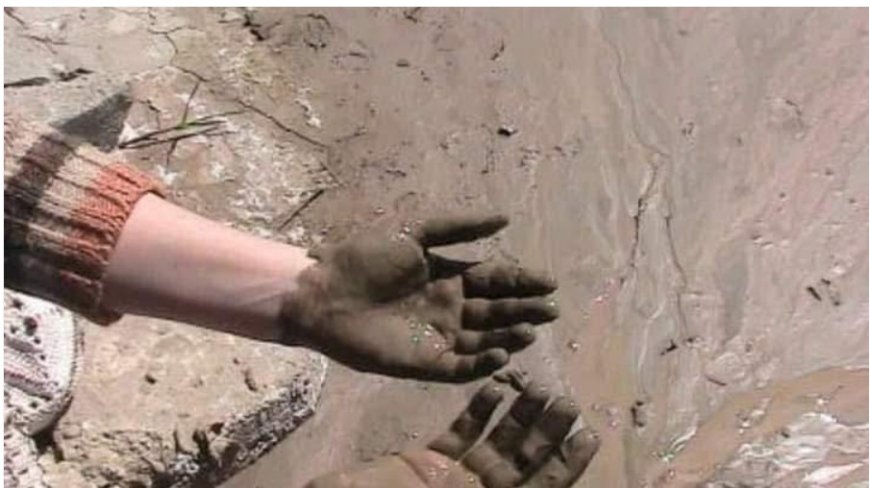
Dreams featuring mud are layered symbols that range from illness and sorrow to repentance, provision, inheritance, travel, and reputational risk. Islamic scholars of dream interpretation emphasize that color (black, white, red, yellow), consistency (wet vs. dry), and the dreamer’s actions (eating, walking, falling, drowning, plastering, kneading bricks) decisively shape the meaning.
Classical Scholars: Core Readings
Imam Jaʿfar al-Ṣādiq (a.s.): Emerging from mud and washing yourself signifies relief from grief.
Ibn Sīrīn:
Eating mud points to spending one’s wealth on a spouse.
Plastering one’s house with mud signals sorrow.
Green/red/white mud: futile pursuits; black mud: grief and distress; drowning in mud: calamity.
Contemporary Scholars:
Seeing or falling into mud: potential wealth or exposure to disrespect.
Walking in mud: loss of reputation due to unethical conduct.
Wet Mud Dossier: Al-Nābulusī’s Detailed Analysis
Walking in wet mud: sorrow, anxiety, fear, and often turmoil or hardship. Walking under driving rain corresponds to distress in proportion to the rainfall.
For the sick: seeing wet mud suggests illness persists—unless the dreamer emerges from the mud, which signals recovery.
For the healthy: entering or walking in mud may presage calamity, imprisonment, or ordeals before authority.
Escaping mud/cleansing clothes and body: release from sin and sorrow; failing to do so implies guilt or grief proportional to the mud.
Kneading mud into bricks: no good until the bricks dry; before that, expect grief, hardship, enmity. Once dried to earth, the toil yields wealth (earth = property).
Additional threads: enmity, debt, slander around honor, or—per Qur’ān 23:12 (“We created man from clay”)—a sign that one’s wife may bear a son.
Colors & shifts: Black/red mud can indicate moving between groups or places; red turning to black suggests favoring black over white.
Agrarian and livelihood cues: Head/hair smeared with wet mud → work with soil or crops; wet clay turning to flour or kneaded dough → lawful provision.
In drought: wet mud signals abundant harvest; mud from a well points to inheritance, revealed blessing, or entrusted secrets.
Practical impediments: mud may delay journeys and interrupt prayer.
Ihyāʾ & Diyanet: Broad Perspectives in Practice
Ihyāʾ:
Mud relates to religion and wealth; for those who work the land, it implies income.
Eating mud → hoarding wealth.
Plastering with slushy mud at home → piety; plastering the Kaʿba → pilgrimage; plastering the Prophet’s (s.a.w.) grave → ziyāra plus ḥajj; plastering a mosque → honor and reward in service to Islam.
Walking in wet mud → sorrow; wet mud can also point to a ill-tempered woman, enmity, hardship, debt, or slander; dry mud → livelihood; a sick person seeing mud → death; seeing someone knead mud → sorrow.
Diyanet:
Mud generally: illness, bad news, sorrow.
Red mud → travel; yellow → illness/bad news; black → grief; white → benefit.
Swimming in mud → evil, sorrow, or trouble; mud on clothes → distress; lying in mud → grief and death.
Emerging from mud → relief and joy after illness/sorrow.
Making mud → good; building with mud → faith and devotion.
Plastering the Prophet’s (a.s.) grave → ḥajj; plastering one’s house with wet mud → righteousness; entering mud and smearing oneself → illness and misery.
Hard/dry mud → money; wet mud → improvement of a bad situation; for the sick, mud → death.
Street splashes of mud → new job; falling into mud → unexpected inheritance; finding something in mud → windfall (lottery etc.); mud caused by rain → inauspicious.
Seyyid Süleyman & Further Notes
Rain-formed or channel mud: grief/distress, and by some accounts, sin.
Sinking into mud in a lake or river: harm from authorities; others read this as over-absorption in worldly affairs.
Eat: spend/hoard wealth · Walk/fall/drown: sorrow or calamity
Plaster house/Kaʿba/Prophet’s grave/mosque: sorrow → ḥajj → ziyāra+ḥajj → honor in service
Emerge and wash: purification, relief, fresh start
Editorial Guidance: From Warning to Way Forward
Name the risks: Wet mud, stained garments, or public messiness often flag social and ethical hazards.
Make repentance concrete: If you “emerge and wash,” follow through with apology, amends, prayer, and orderly habits.
Move with balance: Even when signs point to travel, inheritance, or provision, proceed with discretion, fairness, and patience.
Respect timing: Bricks dry slowly; only then does labor convert to wealth—be steadfast.
Attribution to Islamic Dream Scholars: Imam Jaʿfar al-Ṣādiq (a.s.), Ibn Sīrīn, al-Nābulusī, Ihyāʾ, Diyanet, Seyyid Süleyman, and contemporary scholars. The report above synthesizes their views within the tradition of Islamic dream interpretation.
Editorial Desk |DreamWisdom.com is a comprehensive knowledge and editorial platform focused on dreams, dream interpretation, and dream science. The platform explores religious, psychological, cultural, and scientific perspectives, bringing together classical dream traditions with modern analytical approaches.










 Like
0
Like
0
 Dislike
0
Dislike
0
 Love
0
Love
0
 Funny
0
Funny
0
 Wow
0
Wow
0
 Sad
0
Sad
0
 Angry
0
Angry
0




















Comments (0)