



Prayer Dreams in Islam: Qibla, Livelihood, Relief and True Guidance
In Islamic dream interpretation, prayer may symbolize guidance, safety, repentance, livelihood, rank, relief, travel, debt repayment or fulfilled wishes.


By Bilge Türk | Dreams Wisdom
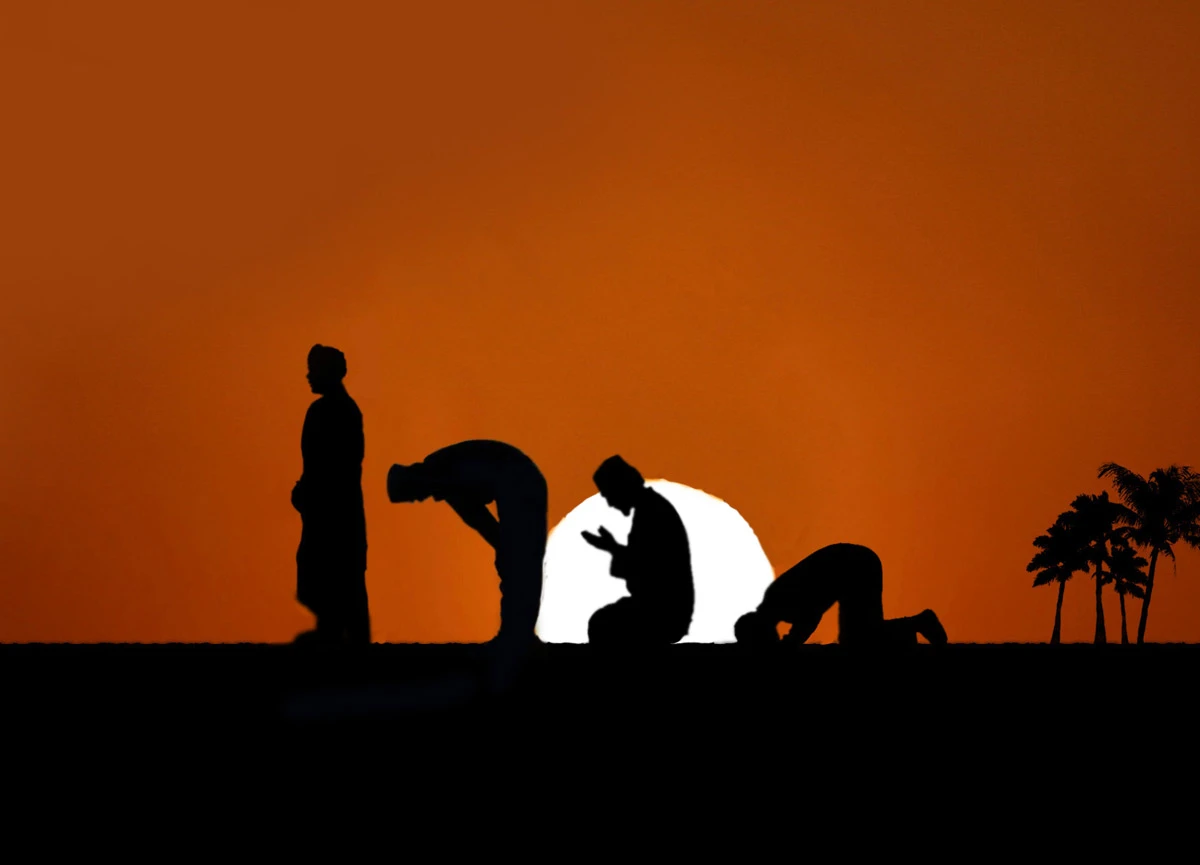
ANKARA, TURKEY — Dreaming of prayer in Islamic interpretation may symbolize religious guidance, safety, joy, rank, fulfilled wishes, repentance, lawful provision, debt repayment and relief from distress.
Islamic scholars interpret prayer dreams according to several details: whether the prayer is performed on time, whether the dreamer faces the qibla, completes the prayer, gives salām, prays alone or in congregation, leads others as imam, performs obligatory, sunnah or voluntary prayer, or prays in a suitable or unsuitable place.
General meaning of praying in a dream
Seeing oneself praying properly in a dream is usually a favorable sign. When the prayer is complete, timely and performed in the right direction, it may indicate religious steadiness, protection from wrongdoing, safety from fear and distance from shameful actions.


Prayer in a dream may also point to the dreamer’s inner direction. A person who prays with calmness and completion may be moving toward a more balanced life, stronger faith and relief from worldly pressure.
If the prayer is missing, interrupted, performed without ablution, or directed away from the qibla, the dream becomes a warning. It may invite the dreamer to review worship, intention, lawful earnings, debts, responsibilities and personal conduct.
Facing the qibla or losing the direction
Facing the qibla correctly while praying is interpreted as religious correctness and a sound direction in life. It suggests that the dreamer’s spiritual path is aligned with guidance.
If a person cannot find the qibla, searches for it, or does not know where it is, this may symbolize confusion in religious matters. The dreamer may be uncertain about a decision, belief, duty or moral direction.


Praying with one’s back turned to the qibla is a serious warning. It may point to turning away from Islam or neglecting religious principles. Praying toward east or west is also interpreted according to the dream’s context; in some cases, facing east may indicate pilgrimage, while turning away from the proper direction may show distance from religious discipline.
Seeing people in a mosque praying toward another direction may indicate disorder in leadership or a change in authority in that place.
Completing the prayer and giving salām
Completing the prayer and giving salām may symbolize release from sorrow, a change from grief to love and harmony, and the completion of a difficult matter.
Giving salām to the right side may indicate that some of the dreamer’s affairs improve. Giving salām only to the left side and not the right may suggest that some matters become difficult or remain unresolved.
Prayer completed with salām may also symbolize following the Sunnah of the Prophet, leaving one task, appointing someone in one’s place, travel or provision.
Making du‘ā during prayer may indicate the birth of a child or the fulfillment of a heartfelt request. Praying through the night until morning is interpreted as great good in this world and the Hereafter.
Obligatory, sunnah and voluntary prayers
Islamic sources give special attention to whether the prayer is obligatory, sunnah or voluntary. Performing an obligatory prayer may indicate pilgrimage, avoidance of immoral actions, protection from evil and fulfillment of religious duties.
Performing sunnah prayer may point to purity, patience, steadfastness, good reputation and mercy toward people. It may also show a balanced religious life and a character known for kindness.
Performing voluntary prayer may symbolize wide provision, helping friends and neighbors, doing good to people and performing deeds that bring the dreamer closer to Allah.
Ja‘far al-Sadiq interprets prayer dreams through meanings such as safety, joy, rank, salvation and fulfilled wishes. He interprets prostration as desire fulfilled, authority, victory, help and obedience to Allah’s commands.
Five daily prayers in a dream
The morning prayer may symbolize lawful provision, lawful earnings and effort made through a proper path. It may also indicate that necessary needs will be met.
The noon prayer may point to the fulfillment of a wish, increase in wealth and provision, help, the removal of hidden matters, debt repayment or repentance. If it is performed on a clear and sunny day, it may indicate joy; if under clouds, it may suggest sorrow.
The afternoon prayer may mean reaching one’s goal after effort and hardship. It may also relate to an oath, debt or a matter that is mostly completed but still requires final effort.
The sunset prayer may indicate that a matter the dreamer desires will conclude quickly. It can also symbolize rest after tiredness and the ending of a task.
The night prayer may point to caring for family needs, managing livelihood and maintaining good relations with relatives. It may also indicate the end of a concern or the completion of a period of work.
Praying in congregation and leading as imam
Praying in congregation, especially when the rows are straight and firm, may indicate unity, goodness, remembrance of Allah and shared righteousness.
Leading people in prayer as imam may symbolize an important position, public responsibility or leadership in a serious matter. If the dreamer is worthy of such a role, it may point to rank and authority.
Leading an unknown group in an unknown place while not knowing what was recited is a warning sign in Islamic interpretation. It may indicate the approach of death or a serious turning point.
If the dreamer leads a group that is waiting for him, the meaning is more favorable. It may indicate honor, public respect or benefit coming through a ruler or person of authority.
Incomplete prayer, no ablution or wrong conduct
Forgetting something in prayer or leaving the prayer incomplete may point to travel or an unfinished wish. Stopping the prayer halfway may indicate intending to perform pilgrimage but being unable to complete it.
Praying without ablution may symbolize illness. Missing the prayer time and being unable to find a place to pray may indicate a difficult task or hardship in worldly and religious affairs.
Praying while sitting or lying down may show inability to complete planned work. Standing for a long time without bowing may point to neglecting zakat or working on something without result. Bowing without prostrating may indicate a shorter lifespan.
Praying while intoxicated is interpreted as false testimony. Speaking during prayer may symbolize taking back a gift or charity. These dreams warn the dreamer to be careful with speech, worship, promises and trust.
Places of prayer in dreams
Praying in a mosque, masjid, school of learning or similar place is usually favorable. It may indicate abundant reward, accepted deeds and goodness.
Praying in Masjid al-Haram, the Prophet’s Mosque or Masjid al-Aqsa is interpreted as great reward and acceptance of deeds.
Praying in a garden may symbolize repentance and seeking forgiveness. Praying in a cultivated field may point to the ability to repay debts. Praying in a government office or school may indicate travel and lawful provision.
Praying in a church or similar place may mean being guided through someone else’s prayer or becoming a means for another person’s guidance.
Praying in the street is not considered favorable. Praying in an unsuitable place, such as a dirty ground, rubbish place or graveyard without a prayer rug, may indicate need, poverty or loss of honor.
Eid, funeral, tarawih and istikharah prayers
Performing the Eid al-Fitr prayer may indicate paying debts, recovery for the sick, relief from hardship and freedom for someone imprisoned.
Performing the Eid al-Adha prayer may indicate a new job, public duty, justice, fulfillment of a vow, receiving one’s right or attaining joy.
Performing the funeral prayer may symbolize accepted supplication and being granted forgiveness by Allah. Performing istikharah prayer may indicate a good outcome in a matter the dreamer intends to begin.
Tarawih prayer may point to guidance, debt repayment, long life, continued reputation and the fulfillment of a hope for spiritual intercession and mercy.
Teheccud prayer is interpreted as a great rank, while praying at midnight may indicate that wishes will be fulfilled soon.
Is dreaming of prayer good or cautionary?
Dreaming of prayer is often favorable when the prayer is performed on time, with ablution, facing the qibla, completed properly and in a suitable place. It may indicate guidance, safety, rank, lawful provision, repentance, debt repayment, family harmony and fulfillment of wishes.
It becomes cautionary when prayer is performed without ablution, away from the qibla, while intoxicated, while speaking, incomplete, naked, in a dirty place or in a manner unsuitable for worship. Such dreams invite the dreamer to review faith, repentance, lawful earnings, debts, charity, speech and personal conduct.
Obligatory prayer points to protection from evil and religious duty. Sunnah prayer points to purity, patience and mercy. Voluntary prayer points to wide provision and doing good to others. Prostration points to obedience, help and fulfilled wishes.
Islamic dream interpretations are symbolic explanations, not certain rulings. Allah knows best. A prayer dream should be read as an invitation to reflect on worship, qibla, repentance, lawful provision, family duties, debts, charity and turning sincerely toward Allah.
What's Your Reaction?
 Like
0
Like
0
 Dislike
0
Dislike
0
 Love
0
Love
0
 Funny
0
Funny
0
 Wow
0
Wow
0
 Sad
0
Sad
0
 Angry
0
Angry
0

Editorial Desk |DreamWisdom.com is a comprehensive knowledge and editorial platform focused on dreams, dream interpretation, and dream science. The platform explores religious, psychological, cultural, and scientific perspectives, bringing together classical dream traditions with modern analytical approaches.




















Comments (0)