



Crying in a dream: Islamic scholars explain tears, grief and relief
crying dream meaning, tears in dream, Islamic dream interpretation, crying over the dead, Nabulsi crying dream, Ja’far al-Sadiq dream interpretation


BY BILGE TÜRK | DREAMS WISDOM
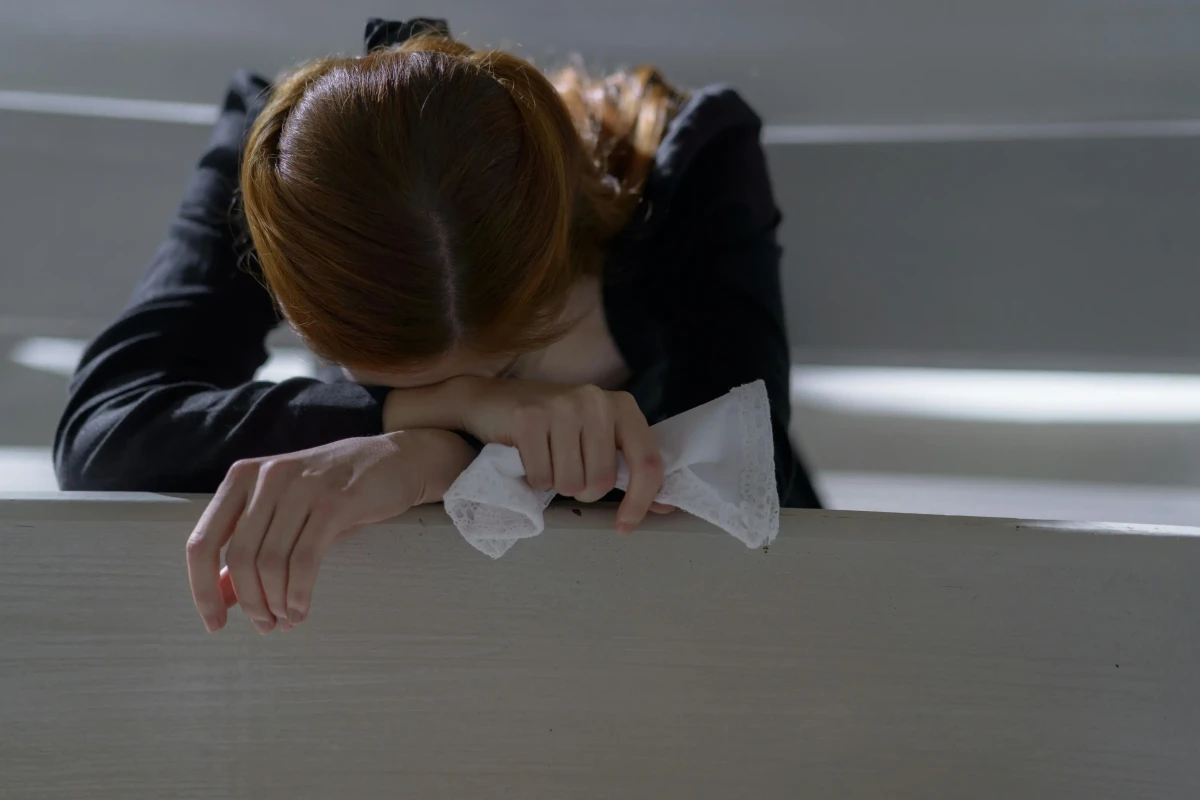
ISTANBUL, Türkiye — Crying in a dream is interpreted in classical Islamic sources according to its form, with silent tears often pointing to relief while loud wailing may carry a warning.
In Islamic dream interpretation, crying is not always a sign of sorrow. The meaning changes according to whether the dreamer cries silently, screams, sheds tears, feels remorse, listens to the Quran, fears Allah, or mourns over a dead person.
Silent crying may point to relief from sorrow
Seeing oneself cry silently in a dream is generally interpreted as a favorable sign. According to Diyanet’s interpretation, a person who sees himself crying quietly may be freed from grief, sorrow and inner distress.


Seyyid Süleyman gives a similar explanation. He states that a person who cries calmly in a dream will be saved from grief. In this interpretation, silent crying does not represent a new sadness but the removal of an existing one.
Some interpreters also say that quiet crying points to relief, joy and a good outcome. This type of dream is often understood as a sign that the dreamer’s heart will become lighter and that a period of emotional pressure may come to an end.
Loud crying and wailing carry a stronger warning
Crying loudly, screaming, striking the face, tearing the collar or ripping one’s clothes is interpreted differently from silent crying. In many classical sources, this form of crying is linked with hardship, public distress or a warning.
According to Diyanet, if someone dreams that he is crying loudly, the people of that place may face a misfortune. Seyyid Süleyman also describes loud crying as unfavorable for the people of the area where it is seen.


Nabulsi states that crying loudly, striking the face, speaking in grief, or tearing one’s clothes in a dream may be interpreted as crying in a similar way in waking life. In this reading, the dream reflects a serious emotional or worldly difficulty.
Crying out of fear of Allah is interpreted positively
The reason for crying is one of the most important details in the dream. If the dreamer cries because of fear of Allah, listening to the Quran, or remembering sins with remorse, the meaning becomes positive.
According to Nabulsi, this kind of crying points to joy, relief and the disappearance of sorrow. It may also indicate fear of Allah, the descent of mercy, and rain for those in need.
This interpretation gives crying a spiritual meaning. Tears caused by repentance, humility or listening to the Quran may symbolize purification, mercy and the opening of the heart rather than sadness alone.
Seeing tears in a dream depends on how they appear
Dreams about tears are interpreted according to whether the tears flow, remain in the eyes, are hot, cold or absent altogether.
According to Diyanet and Seyyid Süleyman, a person who sees tears flowing from his eyes without actually crying may attain what he desires. This dream may point to the fulfillment of a wish or the achievement of a goal.
If someone cries but no tears come from the eyes, the interpretation changes. This may indicate disappointment in something the dreamer had hoped for. It can suggest that an expectation may not be fulfilled.
Kirmani adds another detail: if the eyes are filled with tears but the tears do not flow outside, the dreamer may earn lawful wealth. In this interpretation, restrained tears are connected with halal provision and gain.
Cold tears and hot tears have different meanings
Classical interpreters distinguish between cold and hot tears. Cold tears are usually seen as a sign of relief, while hot tears are associated with sorrow and difficulty.
Kirmani states that cold tears indicate moving from sadness to joy. In this sense, cold tears may represent emotional healing, the end of grief and the arrival of comfort.
Hot tears, however, are interpreted as grief, hardship and distress. This distinction shows that even the physical feeling of tears in the dream can affect the meaning.
For this reason, a dream about crying should not be interpreted only by the act of crying itself. The type of tears, their temperature and whether they flow or remain in the eyes all matter.
Tears of blood may point to remorse and repentance
Seeing blood instead of tears in a dream carries a more serious meaning. According to Diyanet, if a person sees blood flowing from the eyes instead of tears, it may indicate sorrow over a missed opportunity and the need to repent from sins.
Seyyid Süleyman also interprets blood-like tears as regret over an opportunity that has been lost. The dreamer may feel remorse and turn toward repentance.
In this interpretation, bloody tears symbolize deep inner regret. They are not ordinary tears but a sign of serious self-reflection, lost chances and the need to correct one’s path.
Kirmani: Crying may lead to great relief
Kirmani interprets ordinary crying in a dream as a sign of great comfort and joy. According to him, a person who sees himself crying may come out of distress and experience happiness.
However, Kirmani makes a clear distinction. If the crying includes shouting, moaning or loud lamentation, it may point to a misfortune. The calmness or intensity of the crying therefore changes the interpretation.
Kirmani also explains the meaning of tears in detail. Tears that fill the eyes but do not fall may indicate lawful wealth. Cold tears point to relief after sadness, while hot tears point to grief.
Ja’far al-Sadiq: Crying followed by laughter is a warning
Ja’far al-Sadiq gives a serious interpretation for a dream in which a person cries and then laughs. According to the transmitted view, seeing oneself cry and then laugh may indicate that the person’s appointed time is near.
This is considered a heavy and warning-based interpretation in classical sources. It should be understood within the broader context of the dream and the dreamer’s condition.
In traditional Islamic dream interpretation, such dreams are often treated as reminders of the temporary nature of worldly life and the need for repentance, reflection and spiritual readiness.
Crying over a dead person in a dream
Crying over a dead person has different meanings depending on whether the crying is calm or filled with wailing. Quiet sorrow may point to relief, while loud wailing is often interpreted as a warning.
Ebu Said al-Waaz states that if someone dreams of a known person dying and cries loudly over that person, the dream may point to grief, calamity or a trial connected with death.
Molla Cami and Nabulsi also discuss wailing over the dead. According to them, crying loudly over a dead person may sometimes point to preaching, but it can also indicate the uncovering of something unpleasant, fitnah or a troubling change in the place where the crying occurs.
If a person sees people wailing in a certain place, classical sources interpret this as a sign of disturbance, disorder or a change that affects that community.
Paid mourners and excessive lamentation
Molla Cami and Nabulsi interpret seeing women paid to wail over the dead in an unfavorable way. This dream may point to a change in condition, the ruin of a house or blameworthy actions.
The sources also connect excessive crying over the dead with pre-Islamic practices of loud lamentation. For this reason, dreams involving shouting, public wailing and dramatic mourning are often treated as warnings rather than good signs.
However, some interpretations also state that if a person sees himself very sad and crying over a dead person or another matter, it may still point to relief and joy. This shows that the full scene of the dream must be considered before reaching a conclusion.
General meaning of crying in a dream
In general, crying in a dream may point to relief from sorrow, joyful news, mercy, repentance and spiritual awakening. Silent crying, crying from fear of Allah, or crying while listening to the Quran is usually interpreted positively.
By contrast, shouting, striking the face, tearing clothes, wailing over the dead or crying with excessive noise may indicate hardship, misfortune, fitnah or a serious warning.
Tears also carry separate meanings. Flowing tears may point to the fulfillment of a wish. Crying without tears may indicate disappointment. Cold tears suggest relief and joy, while hot tears suggest grief. Tears of blood point to regret, missed opportunities and repentance.
For this reason, the meaning of crying in a dream depends on several details: Was the crying silent or loud? Were there tears? Were the tears cold or hot? Was the dreamer crying out of fear of Allah, grief, remorse or mourning? Was the crying over a dead person?
According to classical Islamic dream interpretation, crying may either announce relief and mercy or warn the dreamer to be careful, repent and reflect on the deeper meaning of life.
What's Your Reaction?
 Like
0
Like
0
 Dislike
0
Dislike
0
 Love
0
Love
0
 Funny
0
Funny
0
 Wow
0
Wow
0
 Sad
0
Sad
0
 Angry
0
Angry
0

Editorial Desk |DreamWisdom.com is a comprehensive knowledge and editorial platform focused on dreams, dream interpretation, and dream science. The platform explores religious, psychological, cultural, and scientific perspectives, bringing together classical dream traditions with modern analytical approaches.





















Comments (0)