



Bread Dreams in Islam: Provision, Knowledge, Blessings and Warnings
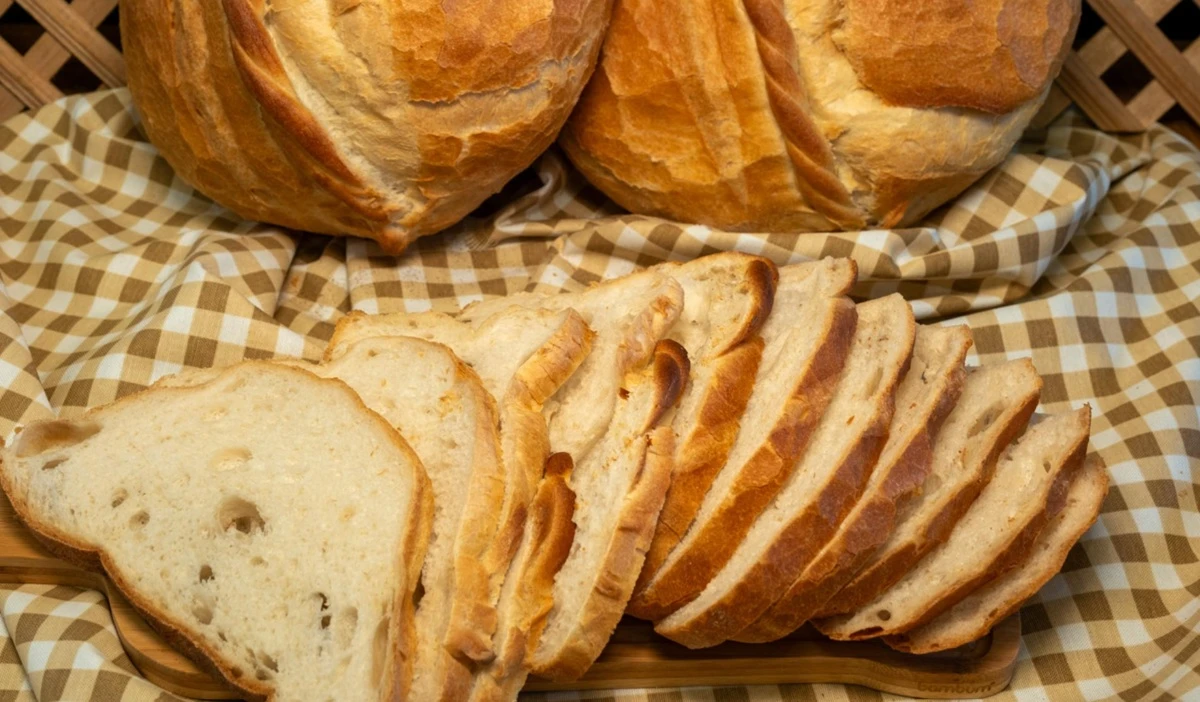
In Islamic dream interpretation, bread may symbolize lawful provision, knowledge, faith, livelihood, charity, travel, blessing or hardship.


By Bilge Türk | Dreams Wisdom
ANKARA, TURKEY — Dreaming of bread in Islamic interpretation may symbolize lawful provision, blessing, livelihood, knowledge, faith, charity, travel, life, hardship or unexpected sustenance.
Islamic scholars interpret bread according to its color, taste, freshness, warmth, flour, shape and how it appears in the dream. White bread, black bread, hot bread, thin bread, barley bread, moldy bread, bread given by the dead, bread distributed to people or bread seen underfoot all carry different meanings. For this reason, a bread dream should be understood through its details rather than through one single meaning.
General meaning of seeing bread in a dream
In Islamic dream interpretation, bread is one of the clearest symbols of provision and daily livelihood. Since bread is a basic food that sustains life, it may represent lawful earnings, blessing, stability, family provision and the means by which a person continues life.


Clean, fresh, soft and edible bread is usually favorable. It may indicate ease in livelihood, blessing in the home, comfort after difficulty and a provision that comes without excessive hardship.
Bread may also symbolize knowledge and Islam. Islamic sources connect bread with the means of life, while knowledge and faith are the means by which spiritual life is preserved. In this sense, bread may point not only to food and money, but also to inner nourishment, guidance and religious steadiness.
However, not every bread dream is favorable. Black, bitter, extremely hot, dry, moldy, spoiled or difficult-to-eat bread may warn of hardship, sorrow, expensive markets, doubtful provision, poverty or spiritual weakness.
According to Ihya: lawful gain and blessing
In Ihya-style interpretation, fresh, soft or warm bread may symbolize effortless lawful earning and abundant blessing. This points to provision that reaches the dreamer with ease and benefit.


Eating plain bread without anything beside it may suggest loneliness, hardship or a strange life. Eating excessively hot bread is connected with sorrow and grief. This shows that even bread, when seen in an uncomfortable form, may become a warning symbol.
Brown bread or corn bread may indicate difficulty in livelihood together with religious safety. Barley bread points to piety, contentment and restraint. Bread made from rice flour may symbolize a pause in affairs and hardship.
Bread made from lentil or bean flour is interpreted as poverty, sadness and need. Giving bread to someone may indicate abundance in that year. Searching for bread may point to travel, and finding the bread one seeks may mean gaining worldly benefit through that journey.
White, black and bitter bread
According to Nabulsi, white bread symbolizes provision that comes easily, is pleasant to digest and brings wide livelihood. It may point to comfort, lawful sustenance and a smooth path in earning.
Black bread, however, indicates narrowness in life and difficulty in livelihood. A person who sees or eats black bread may face financial pressure, reduced comfort or a period of restraint. In some interpretations, this hardship may also lead the person toward patience and religious correction.
Bitter bread means earning a living with difficulty. The dreamer may need to work harder, show patience and endure a narrow period.
If bread is sweet like honey or sugar, it may indicate high prices and expensive markets. The same logic is applied to wheat and other food items. Sweetness in this case does not simply mean pleasure; it may suggest that basic needs become costly.
Pure bread, knowledge and religious meaning
Bread made from pure and clean flour has a strong positive meaning. It may symbolize a pleasant life, pure knowledge, a good spouse and a clean form of provision.
In Islamic sources, bread may also symbolize knowledge and Islam because it supports life, just as knowledge supports religious understanding. This makes bread a sign of both material and spiritual sustenance.
The inside of bread may point to useful knowledge, sincerity in words and deeds, and hidden good. The crust, however, may symbolize showing off, exaggerated praise or hypocrisy in some interpretations. This contrast reminds the dreamer to look beyond appearances and seek inner sincerity.
A person who sees clean and balanced bread may be invited to reflect on lawful earnings, pure intention, useful knowledge and a life built on moderation.
Thin bread, flatbread, barley bread and other types
Thin bread or flatbread carries several meanings. Some Islamic scholars interpret each piece of flatbread as a long period of life. Others say it may represent stored wealth according to the dreamer’s condition and capacity.
Flatbread may also symbolize abundant provision, travel, a spouse for the unmarried, or the easing of difficult matters. Fresh flatbread may point to honor and dignity, while dry flatbread is more cautionary.
Pita or thin bread may sometimes indicate a moderate livelihood, and in some interpretations a shorter lifespan. Barley bread is connected with piety, contentment and religious restraint, even if livelihood is narrow.
Bread made from rice flour may point to stagnation in work. Bread made from lentils or beans may indicate sadness, poverty and necessity. Millet or chickpea bread may symbolize hardship and expensive living conditions.
Eating, giving and distributing bread
Eating bread in a dream depends on the bread’s condition. Clean and good bread points to lawful provision and ease. Plain bread without anything beside it may suggest loneliness, illness or a difficult form of living.
Hot bread is often interpreted with caution. It may symbolize sorrow, doubtful provision or inner unrest, because fire is still associated with its heat.
Distributing bread to people or to the weak may point to spreading benefit. If the dreamer is a student, he may gain the knowledge he needs. If he is a preacher, the bread may represent his sermons and advice.
Giving bread to another person may indicate abundance, lower prices and relief in that year. When the dream is positive, bread given to others becomes a symbol of charity, sharing, blessing and social ease.
Receiving bread from the dead
Seeing a dead person give bread to the dreamer is generally favorable when the bread is clean and good. It may indicate wealth and provision reaching the dreamer from an unexpected place or through someone else’s hand.
This kind of bread may symbolize a door of sustenance the dreamer did not expect. It may also point to mercy, relief and a hidden blessing.
However, if the dead person takes bread and throws it into fire, a toilet, tar or an impure place, the interpretation becomes cautionary. Such a dream may warn of spiritual corruption, falling into a harmful innovation, or losing the meaning of faith and provision.
Because bread may symbolize religion, damaging it in the dream can become a warning about one’s religious life, intention or choices.
Bread in high places, underfoot or in the oven
Seeing bread on clouds, on top of the house or above a palm tree may indicate that bread becomes expensive. This can symbolize high prices and difficulty in obtaining basic needs.
Seeing bread trampled underfoot may indicate abundance, low prices and a level of prosperity in which bread becomes widely available. Although the image may appear strange, the interpretation may point to public ease and plentiful provision.
Baking bread means working for livelihood with the hope of lasting benefit. The dreamer may be making effort to maintain income, organize life and build a stable source of provision.
If bread is baked quickly to keep the oven hot, it may indicate reaching authority or a position. The amount of bread that comes out of the oven may symbolize the amount of wealth or benefit the dreamer receives.
Daniel, Kirmani and other Islamic scholars
Daniel is reported to have said that among food-related dreams, seeing clean and soft bread is one of the best signs. It may symbolize lawful wealth and abundant blessing without hardship.
Kirmani interprets good and white bread as justice and fairness from a ruler. Black and bad bread indicates difficulty in livelihood, but also religious correction. Barley bread points to contentment and restraint, while rice bread may indicate delay in affairs.
Cabir al-Maghribi says that eating thin bread or flatbread may indicate living with comfort and enjoyment. In another interpretation, it may point to a shorter lifespan. Hanging a loaf of bread beside oneself may indicate poverty and need.
Ismail al-Ash‘ath interprets bread as a person of rank. Baked bread crumbs may mean a kingdom for a ruler, a province for an emir, profit for a merchant or wealthy person, and comfort for a poor person.
Is dreaming of bread good or cautionary?
Dreaming of bread can be favorable or cautionary depending on its condition. Fresh, soft, clean, white, well-baked and edible bread usually indicates lawful provision, blessing, knowledge, good livelihood, a good spouse, comfort and relief.
Black, bitter, very hot, dry, moldy, spoiled, uncooked or dirty bread may warn of hardship, sorrow, expensive markets, doubtful provision, poverty, illness or spiritual weakness.
Distributing bread may symbolize knowledge, charity and abundance. Receiving bread from the dead may indicate unexpected provision. Baking bread points to effort for livelihood. Searching for bread may indicate travel, and flatbread may symbolize provision, a spouse, lifespan or stored wealth depending on the dreamer’s state.
Islamic dream interpretations are symbolic explanations, not certain rulings. Allah knows best. A bread dream should be read as an invitation to reflect on lawful provision, gratitude, charity, family livelihood, knowledge, sincerity, contentment and spiritual direction.
What's Your Reaction?
 Like
0
Like
0
 Dislike
0
Dislike
0
 Love
0
Love
0
 Funny
0
Funny
0
 Wow
0
Wow
0
 Sad
0
Sad
0
 Angry
0
Angry
0

Editorial Desk |DreamWisdom.com is a comprehensive knowledge and editorial platform focused on dreams, dream interpretation, and dream science. The platform explores religious, psychological, cultural, and scientific perspectives, bringing together classical dream traditions with modern analytical approaches.





















Comments (0)