



Seeing a Jubbah (Robe) in a Dream: Meanings by Islamic Scholars, with Color, Season, and Context
What does a jubbah (robe) mean in dreams? A newsroom-ready guide from Islamic scholars—colors, seasons, and contexts explained. Interpret your dream today.
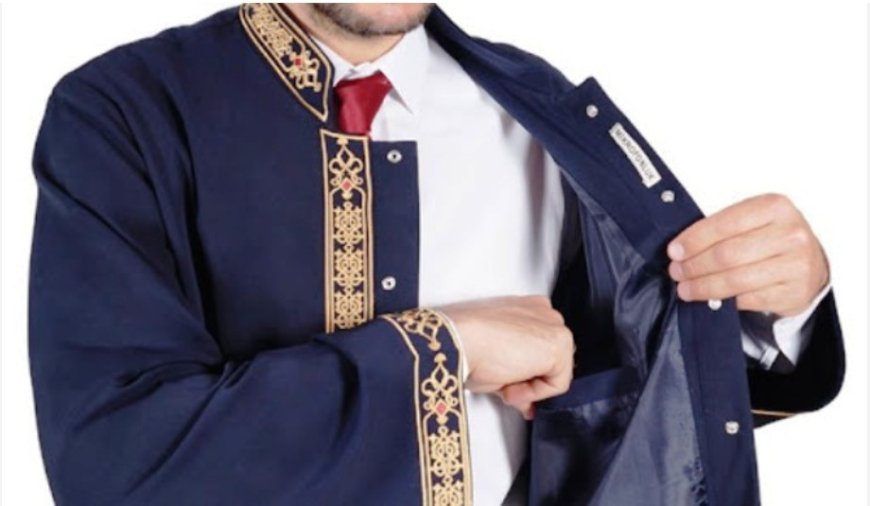


Seeing a Jubbah (Robe) in a Dream: Meanings by Islamic Scholars, with Color, Season, and Context
DREAMS WISDOM / DREAMSWISDOM.COM
Overview: Why This Dream Symbol Matters
In classical Islamic dream literature, the jubbah (outer robe) often signals protection, dignity, marriage prospects, material benefit, religious standing, order in one’s affairs, happiness, and relief from grief. While nuances vary across sources, a clean, new, and wide robe generally points to honor and ease, whereas an old, tight, or dirty robe warns of distress. The winter setting strengthens the auspicious reading; the summer setting calls for caution.
Consensus Meanings Across Islamic Scholars
Drawing on interpretations attributed to Imam Ja‘far al-Sadiq (a.s.), ‘Allāmah Majlisī, Ibn Sīrīn, Jābir al-Maghribī, Kirmanī, as well as summaries from Ihyā, Mollā Jāmī, official-style Diyanet commentary, and al-Nābulusī, the jubbah typically encompasses:
-
Marriage / the spouse (often the wife)


-
Strength and protection (a “shelter” against hardship)
-
Happiness and benefit (worldly opportunity, respected support)
-
Religion and rank (public esteem, moral standing)
-
Order in affairs (things coming together)


-
Deliverance from worry (a turn toward relief)
Negative notes include: an old or soiled robe (sorrow), a torn/burned robe (marital discord), or summer wear (strain from debts, illness, or pressures).
Attributions and Scholarly Nuance
-
Imam Ja‘far al-Sadiq (a.s.): Seven core readings—woman (spouse), strength, happiness, benefit, religion & office, order, and relief from sadness. Old/dirty indicates grief.
-
‘Allāmah Majlisī: The dreamer’s situation improves. A green robe signals release from worldly and spiritual burdens and attainment of desires. Packing one’s robe implies travel.
-
Ibn Sīrīn: The jubbah often represents the wife. Wide/clean = patient, kind spouse; new, large, green or white = status in proportion to the robe’s quality and freedom from sorrow. Tight/dirty reverses this. Torn/burned = issues with the spouse. Cloth robe = relief; silk robe = benefit from a respected figure.
-
Jābir al-Maghribī: Green, new (even if gifted) = marriage to a chaste woman. White, new = pious, trustworthy woman. Yellow = a sickly woman; purple = worried/anxious; red = pleasure-seeking, less compatible.
-
Kirmanī: White, clean = wealth, bounty, and eminence in religion. Black = sadness—except when the wearer’s profession involves a black robe (e.g., judge, academic), then it implies office and respect. Removing the robe = separation from the spouse. Red/purple = benefit; red also signals preoccupation with amusements. Yellow = illness. Old + black can foreshadow divorce. Animal hide = marriage to a wealthy woman and material gain.
-
Ihyā & Mollā Jāmī: Jubbah = wealth, longevity, and the woman one will marry. Dyed/colored can imply a loving, fertile spouse. Cotton-faced robe = beauty in religion. In war, the jubbah acts like a breastplate—read: protection and confrontation with challenges.
-
Diyanet: The robe highlights religious commitment. Green = divine favor; black can urge repentance for lapsed devotion (unless occupational). Clothing another with a jubbah marks a pious public reputation. Walking behind a robed man = sound path in worldly and spiritual matters. New robe can warn of slander to be faced; old robe = hardship. Putting on = major progress at work; taking off = a minor setback.
-
al-Nābulusī: The jubbah can symbolize marriage to a non-Arab woman, wealth, and protection from poverty (as a robe wards off cold). Summer wearing warns of distress (spousal strain, debts, illness, confinement). In war, it’s akin to armor—facing adversities head-on.
Colors: A Practical Key for Readers
-
Green: Relief, fulfillment, divine pleasure, modesty and rectitude; auspicious for marriage.
-
White: Piety, trustworthiness, honor, and bounty.
-
Black: Often sorrow—unless it is an occupational robe, then status, duty, and representation.
-
Red: Benefit mixed with amusement/distraction; relationship compatibility may be tested.
-
Purple: Benefit mingled with inner anxiety; attend to emotional hygiene.
-
Yellow: Illness/weakness caution; prioritize health.
Season and Setting: Winter vs. Summer
-
Winter: The jubbah’s protective function is literal—hence, good fortune, wealth, joy, and safety.
-
Summer: Signals strain—debts, health issues, constriction, or domestic tensions. The counsel is prudence, budgeting, rest, and medical attention if needed.
Condition and Fit: New/Clean vs. Old/Dirty
-
New, wide, clean: Rising reputation, relief, supportive spouse, and orderly affairs.
-
Old, tight, dirty: Worry, financial pressure, or household conflict.
-
Torn or burned: Marital rifts or a relationship stress event.
Actions and Scenarios: Wearing, Removing, Packing
-
Wearing a jubbah: Shelter, authority, proof, benefit, wisdom, leadership—a composite of moral and social protection.
-
Removing it: Separation or temporary professional wobble; response: stabilize routines and communication.
-
Packing it: Travel or a role transition; prepare logistics and intentions.
-
Silk jubbah: Favors, patronage, or doors opened by an esteemed figure.
-
Cotton-faced robe: Sound religious/ethical footing.
-
Animal-hide robe: Marriage into wealth and tangible support.
Marriage and Family Lens
Many authorities read the robe as the wife or the marital bond. Quality, color, and cleanliness mirror the spouse’s character or the relationship climate. Gifting a green, new robe hints at a chaste, upright match. Removing the robe points to separation risk—best addressed through timely dialogue, counsel, and fairness.
Work, Status, and Wealth
The jubbah frequently signals promotion, protection from financial cold, and dignified standing—especially white/clean in winter. Putting it on can mark a breakthrough at work. Black occupational robes (judicial/academic) underline duty, responsibility, and public trust.
Editor’s Guidance: Reading Your Dream Responsibly
-
Color first (green/white positive; yellow health caution; red/purple emotional/worldly tests; black depends on context).
-
Season next (winter boosts good omens; summer invites prudence).
-
Condition and fit (new/clean/wide = ease; old/dirty/tight = strain).
-
Your action (wear = protection/authority; remove = rupture; pack = journey/preparation).
-
Always weigh personal circumstances—marital status, profession (especially black robes), current debts/health—before concluding.
Bottom Line
In the corpus of Islamic Scholars and Islamic Dream Interpretation Scholars, the jubbah is a protective and elevating symbol whose meaning shifts with color, season, condition, and context. Read it as a call to strengthen faith and duty, order your affairs, and—where the signs warn—act early with practical remedies.
What's Your Reaction?
 Like
0
Like
0
 Dislike
0
Dislike
0
 Love
0
Love
0
 Funny
0
Funny
0
 Wow
0
Wow
0
 Sad
0
Sad
0
 Angry
0
Angry
0

Editorial Desk |DreamWisdom.com is a comprehensive knowledge and editorial platform focused on dreams, dream interpretation, and dream science. The platform explores religious, psychological, cultural, and scientific perspectives, bringing together classical dream traditions with modern analytical approaches.




















Comments (0)