



The Abjad Code of Dreams: Deciphering Meaning Through the Alphabet
An analysis of the Abjad letter system used in dream interpretation, where the first letter of a dream's main subject determines its meaning. This method provides a unique framework for decoding the messages of dreams based on an ancient alphabetical code.
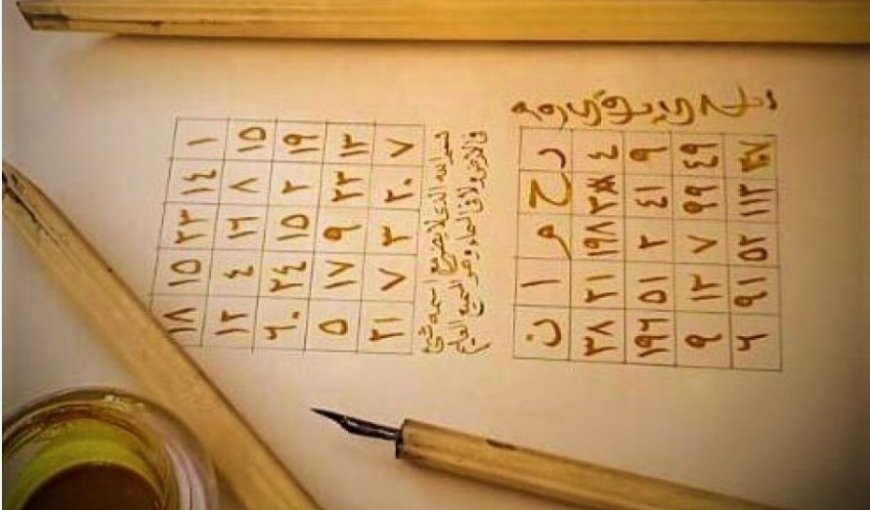


The Abjad Code of Dreams: Deciphering Meaning Through the Alphabet
DREAMS WISDOM / DREAMSWISDOM.COM
Dream interpretation has been practiced for centuries across various cultures and belief systems, often relying on the symbolism of objects, people, or events seen in dreams. However, some ancient sages and scholars utilized a different key to unlock the messages of the night: the Abjad alphabet. This system, which assigns symbolic values to the 28 letters of the Arabic script, adds a unique and structured dimension to dream analysis. According to this method, the first letter of a key element in a dream holds the primary clue to its overall meaning and outcome. This approach encourages the dreamer to focus not just on the symbol itself, but on the deeper, spiritual significance attributed to its corresponding letter.


Understanding the Abjad System
The Abjad system is an ancient ordering of the letters of the Arabic alphabet, where each letter has both a phonetic and a numerical value. While historically used for numerology, mathematics, and mystical calculations, its application in dream interpretation focuses on the symbolic rather than the numerical aspect. To apply this method, a person first identifies the central theme or object of their dream. For example, if a dreamer sees "bal" (honey), they would look to the first letter, "B" (Ba), to find its meaning. The interpretation of this letter, according to the Abjad system, then reveals the overarching message of the dream. This method provides a systematic and categorical framework, offering a more structured approach compared to the often-subjective nature of symbol-based interpretation.
The Alphabet of Fate: Decoding the Interpretations


Within the Abjad tradition of dream interpretation, each of the 28 letters represents different aspects of fate and life. The meanings can generally be grouped into two categories: positive and negative, offering concise yet profound insights into what the dreamer might face.
Several letters carry auspicious meanings, promising good fortune and happy outcomes. For instance, ا (Alif) and و (Waw) both signify "attainment of a wish" or the fulfillment of a desire. Letters such as ج (Jīm), هـ (Hā), ع (Ayn), and ر (Rā) are associated with "joy, happiness, and contentment." The letter ل (Lām) points to "salvation from troubles," while م (Mīm) suggests "success in endeavors." The letter س (Sīn) denotes "honor and nobility," and ن (Nūn) promises "freedom from weakness and laziness." The appearance of a dream starting with these letters is often considered a harbinger of good things to come.
On the other hand, some letters serve as warnings, urging caution or preparation. The letter ب (Bā), for example, signifies "trouble and distress." Similarly, ح (Ḥā) indicates "difficulty" and hardship, while ف (Fā) points to "ruin and regret." The letter ت (Tā) symbolizes "financial loss" or waste. It is important to note that these interpretations should not be taken in isolation but considered within the broader context of the entire dream.
From Symbols to Letters: A Unique Approach to Interpretation
The Abjad-based method of dream interpretation offers a distinct perspective from modern psychological or symbol-based approaches. It teaches that a symbol, such as honey, does not just carry its own obvious meanings of sweetness or healing. It also carries a hidden meaning through its first letter. In the example of "bal," which begins with the letter B, the interpretation is "trouble and distress." This intriguing juxtaposition suggests that a dream that appears positive on the surface might harbor a hidden difficulty. Those who utilize this ancient method therefore evaluate both the symbolic meaning of the dream's content and the deeper spiritual meaning of its corresponding Abjad letter, arriving at a more comprehensive interpretation. This practice encourages a holistic view of dreams, seeing them not merely as a collection of symbols, but as part of a sacred alphabet meant to guide and inform.
What's Your Reaction?
 Like
0
Like
0
 Dislike
0
Dislike
0
 Love
0
Love
0
 Funny
0
Funny
0
 Wow
0
Wow
0
 Sad
0
Sad
0
 Angry
0
Angry
0

Editorial Desk |DreamWisdom.com is a comprehensive knowledge and editorial platform focused on dreams, dream interpretation, and dream science. The platform explores religious, psychological, cultural, and scientific perspectives, bringing together classical dream traditions with modern analytical approaches.





















Comments (0)