



The Divine Wisdom of Dreams: A Classification from Imam Ja'far al-Sadiq
The article explores Imam Ja'far al-Sadiq's (a.s) explanation of dreams, covering the divine wisdom behind true and false dreams. It details his classification of dreams into "mixed" and "signs," and further divides the latter into "clear" and "unclear" dreams using the examples of Prophets Abraham and Joseph.
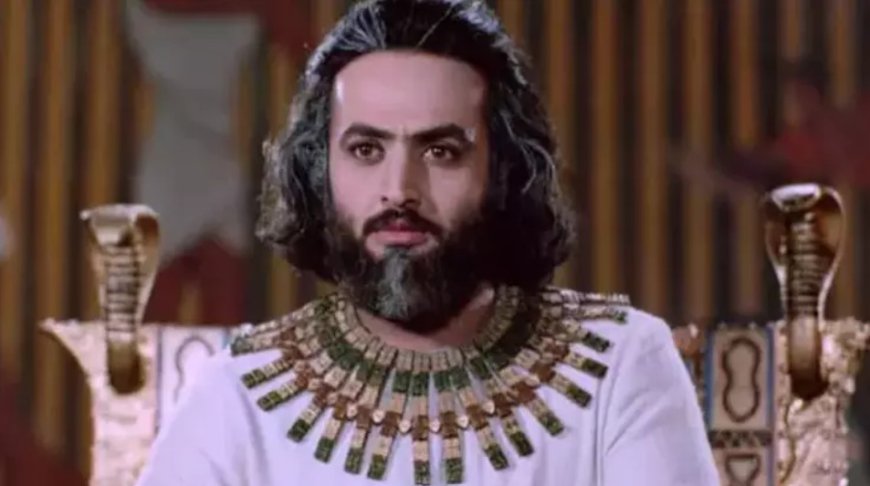


The Divine Wisdom of Dreams: A Classification from Imam Ja'far al-Sadiq
DREAMS WISDOM / DREAMSWISDOM.COM
Dreams have long been a subject of profound fascination, seen as a mysterious realm where divine messages and subconscious thoughts intertwine. In Islamic thought, dreams hold significant importance, and their interpretation is a well-established discipline. In the esteemed work Biharu'l-Envar, it is narrated that Imam Ja'far al-Sadiq (peace be upon him), a revered scholar, offered a deep philosophical insight into the nature of dreams to his student Mufaddal. The Imam explained the divine wisdom behind why some dreams are true and others are false, and he provided a foundational classification that continues to guide those who seek to understand the messages of the night. His teachings offer a unique lens through which to view the world of dreams, distinguishing between mere imagination and genuine spiritual signs.


The Purpose of True and False Dreams
Imam Ja'far al-Sadiq (a.s) began by posing a thought-provoking question to Mufaddal, urging him to contemplate the nature of sleep and dreams. He explained that a careful design is at play, where true dreams are mixed with false ones for a divine purpose. The Imam reasoned, "If all dreams were true, everyone would become a prophet," highlighting that the exclusivity of divine revelation is essential. Conversely, if all dreams were false, they would be rendered useless and meaningless. This balance, he explained, allows people to benefit from dreams—by either gaining insight or avoiding harm—without becoming entirely dependent on them. This divine blend ensures that dreams remain a valuable but not absolute source of guidance, preventing both arrogance and despair among believers.
The Fundamental Categories: Mixed and Meaningful


Building on this philosophical foundation, Imam Ja'far al-Sadiq (a.s) further classified dreams into two main categories. The first category consists of "mixed dreams," also referred to as "false dreams." These are typically considered reflections of the subconscious mind, a chaotic mixture of daily events, worries, and thoughts, or even the result of satanic whispers. Such dreams are believed to carry no real spiritual or prophetic message and are not considered worthy of interpretation. The second category is "signs," or "true dreams." These are the dreams that originate from a divine source, carry genuine meaning, and offer glimpses into the future or provide spiritual guidance. This distinction is crucial for dreamers, as it teaches them to not treat every nocturnal vision with the same level of seriousness, thereby fostering a balanced approach to the world of dreams.
Clear and Symbolic Dreams: Lessons from the Prophets
Imam Ja'far al-Sadiq's (a.s) most detailed classification divides "true dreams" into two sub-categories: "clear dreams" and "unclear dreams" that require interpretation. Clear dreams are those whose message is so direct that no interpretation or analysis is needed. The quintessential example of this is the dream of Prophet Abraham (Ibrahim) (a.s). The Imam quotes the Quran: "He said, 'O my son, indeed I have seen in a dream that I must sacrifice you.'" () This dream was a clear, unambiguous command from God, and Prophet Abraham (a.s) understood its meaning without hesitation.
In contrast, "unclear dreams" are those that are symbolic and require an interpreter to unravel their hidden meanings. The most famous example of this is the dream of Prophet Joseph (Yusuf) (a.s). The Imam quotes his dream from the Quran: "Joseph said to his father, 'O my father, indeed I have seen [in a dream] eleven stars and the sun and the moon; I saw them prostrating to me.'" () The interpretation of this dream, which symbolized his brothers, parents, and family showing him respect and honor, was only fulfilled years later. As the Imam narrates, when the event came to pass, Prophet Joseph (a.s) said to his father, "O my father, this is the interpretation of my dream of old. My Lord has made it reality." () This example demonstrates that some dreams are long-term messages that require patience and wisdom to be fully understood.
What's Your Reaction?
 Like
0
Like
0
 Dislike
0
Dislike
0
 Love
0
Love
0
 Funny
0
Funny
0
 Wow
0
Wow
0
 Sad
0
Sad
0
 Angry
0
Angry
0

Editorial Desk |DreamWisdom.com is a comprehensive knowledge and editorial platform focused on dreams, dream interpretation, and dream science. The platform explores religious, psychological, cultural, and scientific perspectives, bringing together classical dream traditions with modern analytical approaches.




















Comments (0)