



What Does Paint Mean in a Dream? Colors, Actions, and Classical Readings
An in-depth news-style explainer on dreaming of paint/painting: classical meanings from Imam Ja‘far al-Sadiq, Ibn Sīrīn, and Ihyā’; what specific colors (green, white, yellow, black, red, blue) imply; and how actions (painting rooms, body, hands, feet) fine-tune the interpretation.
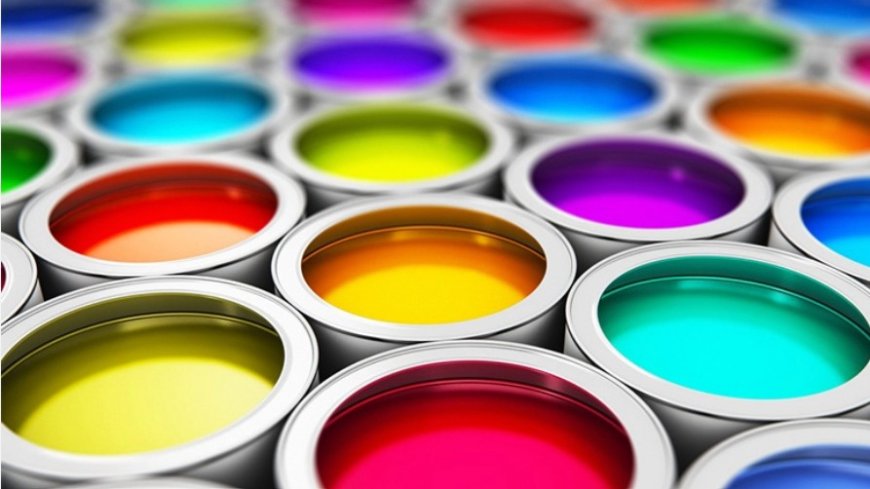


What Does “Paint” Mean in a Dream? Colors, Actions, and Classical Readings
DREAMS WISDOM / DREAMSWISDOM.COM
A Shared Framework in Classical Sources
In the classical Islamic oneirocritical canon, “paint/painting” most often signals covering or concealing—and, by extension, attempts to refresh, reface, or control appearances. Imam Ja‘far al-Sadiq lists four umbrella meanings: sorrow and hardship, illness, misfortune, and conflict arising through women. Ibn Sīrīn privileges color symbolism (declaring green the most favorable), while Ihyā’ texts emphasize paint’s function as a moral or spiritual “coat”: repentance and renewal in some contexts, gloom or error in others.
By Color: From Green to Black
-
Green — Best of the colors (Ibn Sīrīn). In Ihyā’, painting a place green (or white) points to turning away from sin and moral renewal—often read as repentance and a return to sound conduct.
-
White — Ambivalent. Though modern readers may associate white with purity, Ibn Sīrīn ties white paint to illness. Ihyā’, however, treats whitewashing a space as a sign of lightening the heart and sincere amendment.


-
Yellow — Illness (Ibn Sīrīn), echoing the classical link between pallor and bodily weakness.
-
Black — Grief and constriction (Ibn Sīrīn). In Ihyā’, black or very dark coats flag sinfulness or an oppressively heavy mood.
-
Red — In Ihyā’, red on the hands can warn of ill-doing, rashness, or morally risky impulses.
-
Blue — Painting in blue is a caution that a hoped-for outcome may not materialize (Ihyā’).


-
Other colors — Often lean negative in Ihyā’, trending toward worry or heaviness, but context (the place painted, the dreamer’s feelings) can lighten or intensify the tone.
By Action and Context: Rooms, Body, Hands & Feet
-
Painting a room/surface — In Ihyā’, this can herald uplifting developments and the fulfilment of expectations, while still carrying the meta-meaning of covering. The location hints at the life-domain affected (home/family if a house; vocation if a shop/office).
-
Black/dark coats on walls — Sin-adjacent choices or stifling atmospheres; a prompt to re-evaluate patterns.
-
Coating the body with oil paint, lime, mud, etc. — A sign of confusion while trying to conceal an embarrassing matter; the fix may be worse than the flaw.
-
Hands
-
White/Green — Doing good, charitable acts, or a renewed ethical focus.
-
Red/Black — Harmful conduct or ill-judged ventures; curb impulsivity.
-
Embellished with mud — A strikingly positive Ihyā’ cipher: remembrance of God (zikr), grounding in devotion.
-
Smeared with filth/repellent substances — Complicity in strife (fitna) or messy conflicts; withdraw and purify.
-
-
Feet painted — Family-origin stress; domestic burdens, logistics, or kin-based tensions requiring patient sorting.
Social Nuance: Gendered Conventions in the Texts
-
A woman’s customary adornment with paint — Joy and celebration (festive occasions, good news).
-
A man painted/adorned — Classical warners flag ostentation and pride; beware of display eclipsing sincerity.
-
Imam Ja‘far’s fourth theme (discord “because of women”) — Read as a caution on interpersonal friction, not a verdict on gender; the counsel is to restrain speech, clarify intentions, and avoid triangulated disputes.
Risk vs. Opportunity: When to Act—and When to Reassess
Green/white on places favors repentance, repair, and fresh starts; hands in white/green support acts of good. Black/dark coats, red/black on hands, and filth mark moral or social hazards. Blue gently urges realistic expectations. Practically speaking: notice where the paint goes (that life-area seeks renewal), then let the color guide how to approach change—green/white for purification and resolve; dark for stepping back, confessing errors, and course-correcting.
What's Your Reaction?
 Like
0
Like
0
 Dislike
0
Dislike
0
 Love
0
Love
0
 Funny
0
Funny
0
 Wow
0
Wow
0
 Sad
0
Sad
0
 Angry
0
Angry
0

Editorial Desk |DreamWisdom.com is a comprehensive knowledge and editorial platform focused on dreams, dream interpretation, and dream science. The platform explores religious, psychological, cultural, and scientific perspectives, bringing together classical dream traditions with modern analytical approaches.




















Comments (0)