



Dream Interpretation Through the Abjad Alphabet: Ancient Wisdom in Modern Times
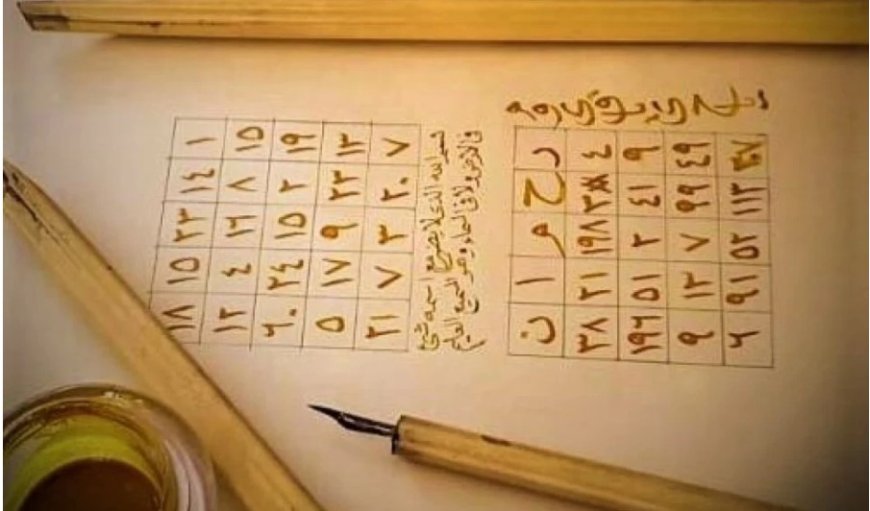
An ancient method of dream interpretation uses the 28 letters of the Abjad alphabet, with each letter carrying a symbolic meaning that reveals insights into dreams.


Dream Interpretation Through the Abjad Alphabet: Ancient Wisdom in Modern Times
DREAMS WISDOM / DREAMSWISDOM.COM
A Timeless Tradition of Dream Reading
Dreams have fascinated humanity for centuries, often seen as signs, messages, or reflections of one’s subconscious. Within Islamic tradition, several methods of dream interpretation have developed. Among them, one of the most intriguing approaches is the use of the Abjad alphabet—an ancient Arabic system of 28 letters where each letter is linked to a symbolic meaning.
According to historical accounts, some physicians and scholars suggested that when someone dreams, the interpretation should be based on the first letter of the object seen. For example, if a person dreams of “honey” (bal in Turkish), its first letter “Ba” (ب) is used to determine the dream’s meaning.
The 28 Letters and Their Meanings in Dreams
Each of the Abjad’s 28 letters carries a symbolic interpretation that can indicate positive, negative, or neutral outcomes. Here is the full list:


-
ا Alif (a, e, i, u): Fulfillment of desires.
-
ب Ba: Trouble or hardship.
-
ج Jim: Joy and happiness.
-
د Dal: Greatness, dignity.


-
هـ Ha (soft h): Joy and happiness.
-
و Waw: Fulfillment of desires.
-
ز Zay: Good condition, comfort.
-
ح Ha (hard h): Difficulty or hardship.
-
ط Ta (emphatic t): Journey or travel.
-
ى Ya: Crowds, gathering.
-
ك Kaf: False news.
-
ل Lam: Relief from troubles.
-
م Mim: Success in endeavors.
-
ن Nun: Liberation from weakness or laziness.
-
س Sin: Honor and elevation.
-
ع Ayn: Happiness and prosperity.
-
ف Fa: Misery or regret.
-
ص Sad: Good circumstances.
-
ق Qaf: Honesty and reliability.
-
ر Ra: Peace and happiness.
-
ش Shin: Honesty and reliability.
-
ت Ta (t): Financial loss.
-
ث Tha: Longing or yearning for someone.
-
خ Kha: Good condition.
-
ذ Dhal: Promotion or advancement in rank.
-
ض Dad: Misery or misfortune.
-
ظ Za (emphatic z): Strength and vitality.
-
غ Ghayn: Goodness, safety, and blessing.
What Dreams Reveal Through Letters
In this system, the letters themselves serve as symbolic signposts. “Alif” signals the realization of one’s hopes, while “Mim” points toward achievement. On the other hand, “Ba” is linked to hardship, and “Dad” symbolizes misfortune. By connecting dream images to letters, interpreters offer individuals insights into their current state and potential future.
Cultural and Spiritual Context
Although modern psychology tends to interpret dreams as expressions of the subconscious mind, traditional approaches like Abjad dream reading reflect the spiritual and cultural dimensions of human experience. These methods continue to be valued in communities where dreams are seen as guidance, reassurance, or warnings.
An Enduring Path to Self-Understanding
Whether seen as symbolic messages or spiritual signs, dreams interpreted through the Abjad alphabet highlight the enduring human search for meaning. This ancient system still resonates today, bridging mystical traditions with modern curiosity.
What's Your Reaction?
 Like
0
 Dislike
0
 Love
0
 Funny
0
 Wow
0
 Sad
0
 Angry
0

Editorial Desk |DreamWisdom.com is a comprehensive knowledge and editorial platform focused on dreams, dream interpretation, and dream science. The platform explores religious, psychological, cultural, and scientific perspectives, bringing together classical dream traditions with modern analytical approaches.






















Comments (0)