



Dreaming of Liver (Ciğer): Signs of Hidden Wealth, Offspring, Safety, and Moral Warnings
What does dreaming of liver mean? Detailed Islamic interpretations: hidden wealth, offspring, easy livelihood, safety, and ethical warnings—read and reflect.
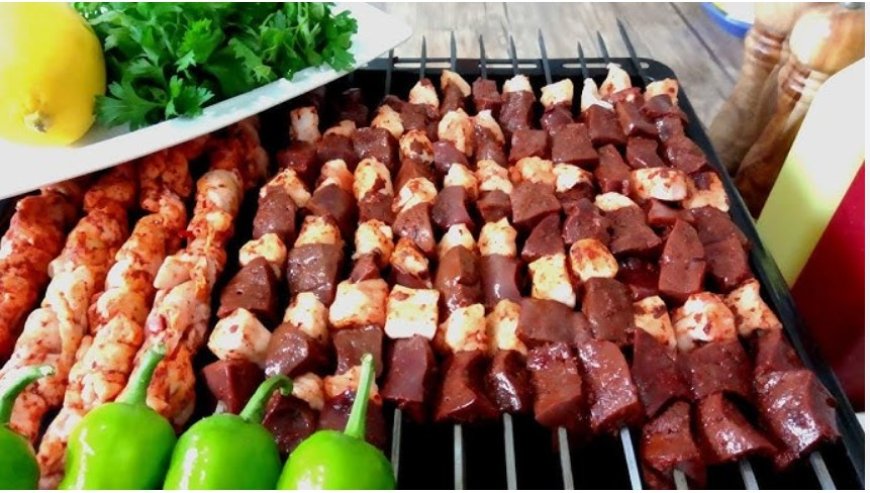


Dreaming of Liver (Ciğer): Signs of Hidden Wealth, Offspring, Safety, and Moral Warnings
DREAMS WISDOM / DREAMSWISDOM.COM
Core Framework by Islamic Scholars
According to leading Islamic scholars of dream interpretation, the symbol of liver (ciğer) often clusters around three themes: children and property, loyal friendship, and beneficial knowledge. Imām Ja‘far al-Ṣādiq links the liver to offspring and wealth, a sincere ally, and knowledge. Seeing liver removed from your home or burned inside it can warn of state intervention in property/hoards—or, for scholars, a loss of previously acquired knowledge.
Hidden Treasure and Provision
Ibn Sīrīn treats the liver as a sign of concealed wealth. Finding abundant liver—roasted, fried, or raw can point to striking treasure or unexpectedly accessed assets. Kirmanī adds that seeing one’s liver “brought out” signals the emergence of hidden riches, while plentiful raw/roasted liver may allude to esoteric knowledge or treasure.
Family, Offspring, and Well-Being
The classical saying “Our children are our livers” underpins why many scholars read the liver as a metaphor for offspring. The Diyanet notes that frying liver heralds a virtuous child. Ihyā’ ties the liver to children, wealth, and one’s very life—so a healthy, fresh-looking liver suggests growth and harmony in those areas.


Health, Security, and Victory Motifs
Eating cooked liver, per Diyanet, indicates ease in livelihood and a life protected from poverty. Molla Cāmī reads liver as a sign of becoming safe from fear, gaining health, and even overcoming adversaries. In Ihyā’, meeting a liver-seller can mean freedom from fear, honor and health, triumph over an enemy, or encountering someone who inspires journeys or initiatives.
Red Flags and Practical Takeaways
Burned, spoiled, or injured liver scenes call for ethical stock-taking. Imām Ja‘far al-Ṣādiq warns that burning or removing liver at home can foreshadow confiscation of assets or, for the learned, forgetting knowledge. Ihyā’ reads wounds or decay as pointers to sin and transgression, urging repentance, restitution, and lawful earnings.
Action points: safeguard legality in finances, reinforce bonds with family and children, preserve and expand knowledge, and—if troubling images appear—seek repentance, reconciliation, and compliance with the law.


What's Your Reaction?
 Like
0
 Dislike
0
 Love
0
 Funny
0
 Wow
0
 Sad
0
 Angry
0

Editorial Desk |DreamWisdom.com is a comprehensive knowledge and editorial platform focused on dreams, dream interpretation, and dream science. The platform explores religious, psychological, cultural, and scientific perspectives, bringing together classical dream traditions with modern analytical approaches.


















Comments (0)