



What Does Seeing Horns in a Dream Mean? Power, Profit, and Caution
An in-depth guide to the “horns” symbol in dreams across classical Islamic sources: often signifying power, protection, wealth, and pride—but, in combative scenes, warning of conflict and ethical tests. Includes contextual rules to interpret animal type, actions, and emotions, plus practical steps to apply the insight.
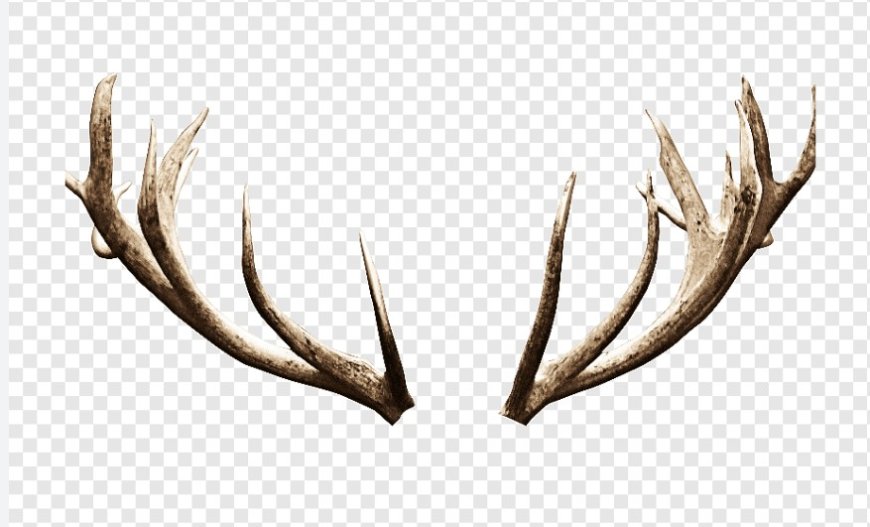


What Does Seeing Horns in a Dream Mean? Power, Profit, and Caution
DREAMS WISDOM / DREAMSWISDOM.COM
Classical Sources at a Glance
In classical Islamic dream literature, “horns” most commonly symbolize power, protection, prestige, and benefit. Imam Jaʿfar al-Ṣādiq associates horns—especially from four-footed desert animals—with good fortune and material gain. Ibn Sīrīn says having horns yourself points to eminence and advantage, while possessing a cow’s horn can indicate abundant wealth. Kirmanī interprets horns growing on one’s head as acquiring strength, and if they resemble a ram’s, it signals affairs improving and a long, content life. Nabulusī likewise frames horns as emblems of might and protection, sometimes extending to weapons, reputation, rank, wealth, and offspring—things a person takes pride in.
When Horns Appear on the Dreamer
Seeing one or more horns on your head often marks a period of rising influence or resilience. In royal symbolism, a ruler with two horns can figuratively “span East and West,” suggesting expansive sway or broader responsibilities. Still, not all contexts are favorable. Some late commentaries caution that sudden horns may mirror impulsive exertions of power, inviting a test of character. As with many symbols, the setting and emotion in the dream guide which meaning applies.
Animal Type Matters
Classical manuals distinguish between wild and domestic animals:


-
Wild animal horns can caution against oppressive or harsh behavior—power misapplied.
-
Domestic animal horns may foreshadow sorrow or heaviness, especially if the scene feels burdensome.
-
A cow’s horn tilts auspicious: property, earnings, or a fruitful season.
-
A horned horse can warn of enmity and possible legal dispute.


-
A large stag’s head mounted on a wall is treated in folk readings as a sign to examine trust and loyalty in close bonds.
Some manuals add “contrary” readings: seeing a normally hornless animal with horns hints that what is expected may not occur; conversely, a normally horned animal without horns can mean enemies are defanged and traps lose force.
Conflict, Injury, and Moral Warnings
Acts inside the dream color the interpretation. Goring others with horns suggests harming, pressuring, or cornering people—an ethical warning about conduct. Being wounded by a horn can prefigure bad news or a painful confrontation. Arena images—like a bull locked in combat—are viewed as inauspicious, pointing to quarrels, public disputes, or reputational strain. Some late collections go further: if horns sprout unexpectedly and the dreamer is ill, it may emphasize health vulnerabilities that require care.
Love, Marriage, and Household Readings
Not every horn omen is stern. Certain commentators read horned animals as signs of deep affection from a spouse; for the unmarried, they may gesture toward marriage prospects. A few traditions connect horns with inheritance—assets or responsibilities passing through the family line—especially when the dream involves herds or multiple horned beasts.
How to Read Your Scene
To refine the meaning, attend to three anchors:
-
Source & Animal: Cow vs. ram vs. wild beast shifts the valence (wealth, stability, or caution).
-
Action & Outcome: Goring, being gored, or simply bearing horns maps to agency vs. vulnerability.
-
Emotion & Atmosphere: Calm pride points to earned authority; anxiety or chaos suggests conflict to defuse.
Common heuristics:
-
Horns appearing on you → rising capability; check ethical use of power.
-
Horns disappearing → adversaries weakened; tight spots easing.
-
Mounted trophy heads → revisit trust, fidelity, and status displays.
-
Crowded or combative arenas → avoid escalation, seek mediation.
Practical Takeaways After Such a Dream
-
Audit your power: Where are you pushing too hard—or not enough?
-
Protect without oppressing: Strength invites responsibility; keep justice at the center.
-
Pre-empt conflict: If negotiations loom, set boundaries early and use neutral facilitators.
-
Steward gains wisely: If wealth or rank is indicated, plan for sustainable, fair distribution.
-
Check relationships: Address loyalty doubts with clear conversation, not suspicion.
What's Your Reaction?
 Like
0
Like
0
 Dislike
0
Dislike
0
 Love
0
Love
0
 Funny
0
Funny
0
 Wow
0
Wow
0
 Sad
0
Sad
0
 Angry
0
Angry
0

Editorial Desk |DreamWisdom.com is a comprehensive knowledge and editorial platform focused on dreams, dream interpretation, and dream science. The platform explores religious, psychological, cultural, and scientific perspectives, bringing together classical dream traditions with modern analytical approaches.





















Comments (0)