



Dreaming of bread in Islamic interpretation: sustenance and blessing
Dreaming of bread is interpreted as lawful sustenance, blessing, livelihood, friendship and, in some cases, hardship or warning.


By Bilge Türk | Dreams Wisdom
ANKARA, Türkiye — Dreaming of bread is most often interpreted in Islamic dream literature as a sign of lawful sustenance, livelihood, blessing, comfort and the basic order of life.
Because bread is one of the most essential foods in daily life, classical interpreters did not treat it as an ordinary dream symbol. They connected it with livelihood, family provision, wealth earned through lawful means, knowledge, faith, friendship and social stability. Yet the interpretation changes according to whether the bread is fresh, clean, hot, dry, stale, black, white, barley, rice, lentil, bean, chickpea, pita or flatbread. Seeing bread, eating bread, buying bread, baking bread, giving bread to someone or being unable to eat bread can all carry different meanings.
General meaning of bread in a dream
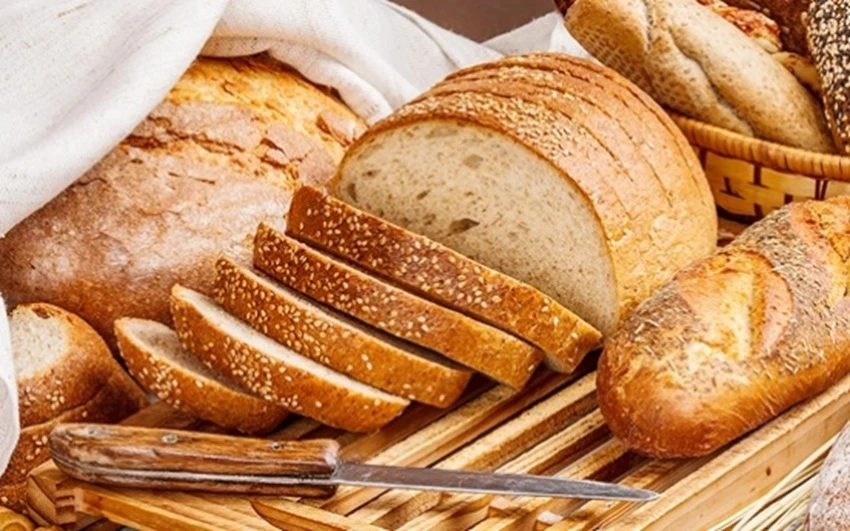
In its broadest sense, bread in a dream points to livelihood and provision. Clean, healthy and well-shaped bread is generally interpreted as a good sign. It may indicate lawful income, a peaceful life, increase in wealth, comfort in the home and blessing in one’s daily affairs.


Buying bread and taking it home is especially positive in many traditional sources. This image suggests that the dreamer may obtain lawful sustenance and that the household may see an increase in provision. Since the bread is brought into the home, the meaning is not limited to the individual. It also includes family, domestic peace and the blessing of the table.
However, dirty, spoiled, unhealthy, moldy or hard bread is not interpreted in the same way. Such bread can suggest hardship in livelihood, anxiety, poverty, sadness or a warning about a difficult period. For this reason, the condition of the bread is one of the most important details in the interpretation.
Imam Jafar al-Sadiq: four meanings of bread
According to Imam Jafar al-Sadiq, seeing bread in a dream has four main interpretations: good livelihood, lawful wealth, leadership or authority, and goodness with blessing.
This interpretation shows how central bread is in dream symbolism. Bread represents the basis of life. It is connected with what a person earns, how they live, how they provide for others and whether their life is surrounded by blessing.


If the bread is clean, beautiful and edible, the interpretation leans toward lawful wealth and a comfortable livelihood. If the dreamer is in a position of responsibility, bread may also indicate authority, management or being entrusted with the affairs of others. In this sense, “leadership” does not always mean political power. It may also refer to responsibility within family, work or community.
Allama Majlisi and the author: clean bread and dirty bread
Allama Majlisi interprets clean, healthy and properly shaped bread as a sign of happiness. Seeing oneself buying bread and taking it home indicates lawful sustenance and an increase in wealth. This is one of the clearest positive bread dreams because it combines effort, acquisition and family provision.
According to this view, bread that enters the home in a clean and good form represents blessing entering the household. It may point to a period of financial relief, a new income source or better order in family life.
By contrast, dirty and unhealthy bread points to poor livelihood or difficulty in living conditions. The author also gives a similar interpretation: clean bread indicates happiness, while dirty bread suggests that the dreamer’s livelihood may not be good or comfortable.
The author adds that giving bread to someone is a meaningful dream. It suggests helping that person, bringing them relief or enabling them to reach comfort. In a broader sense, it may indicate charity, generosity and being a cause of ease for another person.
Prophet Daniel: finding bread and being unable to eat it
According to Prophet Daniel, known in Islamic dream literature as Danyal, finding two or three loaves of bread is a sign of being freed from sorrow. In this interpretation, bread becomes a symbol of relief after hardship.
Finding bread may indicate that the dreamer will discover a solution, receive help or obtain enough provision to overcome a difficult situation. A small number of loaves is still meaningful because it suggests sufficiency and rescue from distress.
However, being unable to eat bread is interpreted more seriously. Some classical sources connect this image with the approach of death or the end of a person’s allotted time. The same warning appears when a person sees a half loaf in an unknown place and wants to eat it but cannot.
Seeing many loaves of bread but not eating them may also indicate sadness. The central idea is that the person has access to a blessing but cannot benefit from it. This may point to missed opportunities, family problems, emotional heaviness or spiritual warning.
Nabulsi: bread as sustenance, faith, knowledge and life
Nabulsi gives one of the broadest interpretations of bread. According to him, white bread points to easy sustenance, comfortable livelihood and provision that is easy to obtain and digest. Black bread, on the other hand, suggests difficulty in living and narrowness in livelihood.
Nabulsi also interprets bread as a symbol of knowledge, Islam, life itself and the wealth that sustains life. In some cases, flatbread may represent a nurturing mother. Pure bread made from clean flour may indicate a good life, beneficial knowledge and a righteous household.
If a person distributes bread to people or to the weak, the meaning depends on the dreamer’s situation. If the dreamer is a student of knowledge, it may mean receiving the knowledge they need. If the dreamer is a preacher, the bread may represent sermons, advice and guidance shared with others.
Nabulsi also says that if a dead person gives bread to the dreamer, it may indicate unexpected provision or wealth reaching the dreamer from another person’s hand. But spoiled, moldy or useless bread may refer to wealth without benefit, neglected obligations or corruption in one’s religious or family affairs.
Kirmani and Jabir al-Maghribi: types of bread matter
Kirmani pays close attention to the type and condition of bread. Warm bread may indicate comfort and expansion, but in some sources excessively hot bread is linked with grief and worry. Therefore, the feeling and context of the dream matter.
Dry and stale bread generally points to hardship, narrow livelihood and difficulty. Barley bread is associated with scarcity in some interpretations, but also with contentment, piety and ascetic living in others.
Jabir al-Maghribi interprets rye bread as a sign of religiosity combined with difficulty in livelihood. Barley bread points to piety and restraint. Rice bread suggests that affairs may worsen or become blocked. Bread made from lentils, beans or chickpeas is interpreted as poverty, grief and sadness.
These interpretations show that not all bread dreams are alike. Wheat bread, barley bread, rice bread and legume-based bread each carry a different symbolic meaning. The source of the bread, its quality and whether it is eaten with ease all shape the final interpretation.
Diyanet, Seyyid Suleyman and other classical views
In the Diyanet-style interpretation, seeing bread is generally linked with joy, but the details can change the meaning. Finding one, two or half a loaf may indicate freedom from sorrow. Seeing many loaves without eating them may point to harm involving relatives or distress connected with family relations. Eating hot bread is associated with grief, while eating barley bread may suggest contentment.
Seyyid Suleyman also states that finding one, two or half a loaf indicates relief from sadness. If a person finds half a loaf in an unknown place but cannot eat it, this is interpreted as a warning about the approach of death. If the half loaf is found in a known place and taken in hand, it may indicate that half of one’s life has passed.
He also reports that eating from many loaves can indicate wealth and blessing, while having many loaves but not eating them may suggest difficulty with relatives.
Other classical interpreters connect bread with rank, authority and social position. Ismail al-Ash‘ath interprets bread as a person of rank. Bread crumbs or pieces may indicate land, trade profit, wealth or relief for the poor, depending on the dreamer’s status.
Buying, giving and searching for bread
Buying bread and taking it home is among the most positive bread dreams. It indicates lawful provision, an increase in wealth and blessing entering the household. The dream also suggests that the dreamer is making an effort to provide for family needs.
Giving bread to someone means helping that person, easing their hardship or becoming a cause of comfort for them. Some sources also connect distributing bread with abundance and lower prices in that year.
Searching for bread is often interpreted as travel. If the dreamer finds the bread they were looking for, it may indicate gaining worldly benefit, money or opportunity from that journey. This journey may be literal, but it can also symbolize searching for livelihood, knowledge or a new path in life.
Baking bread, stale bread and special forms
Baking bread has different interpretations. Some scholars say it means working for one’s livelihood and seeking lasting benefit. Others interpret it as hardship in provision or a narrowing of family expenses. Contemporary scholars may interpret baking bread more positively, as a sign of joy or good news.
Stale and dry bread usually points to hardship or the need to leave major problems behind. Fresh and soft bread may indicate loyal friends, good livelihood or guests entering the home.
Round bread has a special meaning in contemporary interpretation. Seeing round bread may point to a mistake that needs to be corrected. Eating round bread may mean that the dreamer will have to face the consequences of a mistake.
Pita or thin flatbread may indicate abundant provision in some sources, while in others it may suggest short life. This difference shows why dream interpretation should not be done from one symbol alone. The dreamer’s condition, the bread’s form and the feeling in the dream must all be considered.
Final interpretation of bread in a dream
Dreaming of bread is one of the richest symbols in Islamic dream interpretation. Clean, fresh, soft and beautiful bread usually means lawful sustenance, blessing, comfort, knowledge, friendship and good family life. Buying bread, taking it home, finding bread or giving bread to someone are mostly positive signs.
Dirty, spoiled, moldy, stale, dry or uneatable bread, however, may point to hardship, sadness, blocked affairs, poverty, family trouble or warning. Being unable to eat bread, finding half a loaf in an unknown place or seeing bread in a corrupted condition requires more careful interpretation.
In summary, bread in a dream should not be reduced to one meaning. Its interpretation depends on the bread’s condition, type, quantity, taste, place and the dreamer’s action. Beautiful bread points to beautiful livelihood and blessing; bad bread points to difficulty and the need for caution.
What's Your Reaction?
 Like
0
Like
0
 Dislike
0
Dislike
0
 Love
0
Love
0
 Funny
0
Funny
0
 Wow
0
Wow
0
 Sad
0
Sad
0
 Angry
0
Angry
0

Editorial Desk |DreamWisdom.com is a comprehensive knowledge and editorial platform focused on dreams, dream interpretation, and dream science. The platform explores religious, psychological, cultural, and scientific perspectives, bringing together classical dream traditions with modern analytical approaches.




















Comments (0)