



Dreams in Jungian Psychology: Symbols, Archetypes, and the Search for Balance
Jungian psychology views dreams as symbolic messages from the unconscious that restore inner balance, reveal archetypes, and guide personal growth.
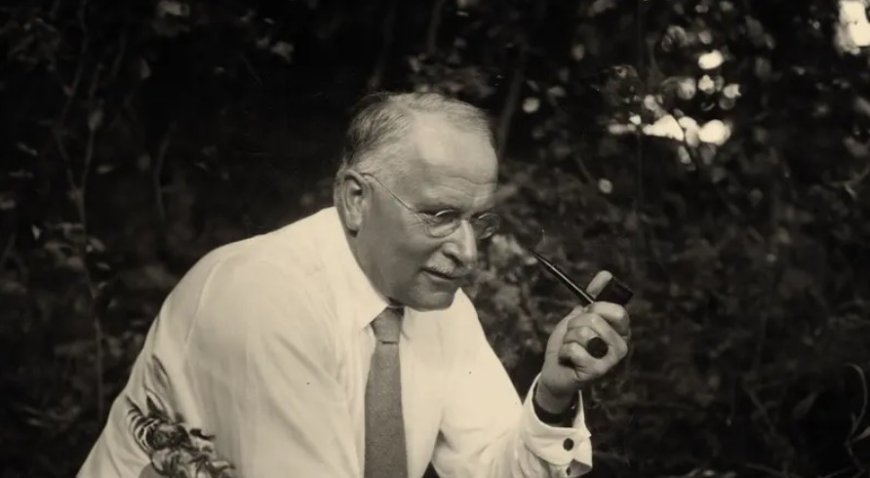


Dreams in Jungian Psychology: Symbols, Archetypes, and the Search for Balance
DREAMS WISDOM / DREAMSWISDOM.COM
The Source of Dreams: The Unconscious and Its Archetypes
Carl Gustav Jung saw dreams not as random illusions or mere wish-fulfillment, but as natural expressions of the unconscious. According to Jung, personal unconscious stores suppressed or forgotten experiences, while the collective unconscious carries the shared psychic heritage of humanity. Its content emerges in the form of archetypes—universal images such as the mother, the hero, the wise old man, the sun, rivers, or the shadow. These archetypes appear as symbols in dreams, shaping their meaning beyond individual memory.
The Core Function of Dreams: Restoring Inner Balance
For Jung, dreams are essential to maintaining psychic equilibrium. When the relationship between consciousness and the unconscious is disturbed, dreams act as a self-regulating mechanism, guiding the psyche back into balance. This balancing role is closely tied to individuation—the lifelong process of becoming whole by integrating the conscious and unconscious. Dreams may compensate for neglected aspects of life, reveal hidden truths, warn against dangers, or even provide creative insight.
Three Types of Dreams: Big, Common, and Childhood Dreams
Jung classified dreams into three distinct categories:


-
Big Dreams: These go beyond the individual and often hold collective meaning. They contain archetypal images so powerful that they resonate with entire communities.
-
Common Dreams: Ordinary dreams that deal with personal experiences and inner conflicts, often featuring recurring archetypal figures such as parents, demons, or symbolic objects like snakes, water, and the sun.
-
Childhood Dreams: Early childhood dreams often display mythological and symbolic depth, sometimes foreshadowing events in later life. Jung considered them highly formative for a person’s spiritual and psychological development.
Interpreting Dreams: Active Imagination and Amplification
Unlike Sigmund Freud, Jung rejected free association as a sufficient method for dream analysis. Instead, he introduced active imagination, encouraging individuals to engage consciously with dream figures and symbols. He also developed amplification, a technique in which dream symbols are expanded through cultural, mythological, and archetypal parallels. Jung stressed that a single dream is not enough—a sequence of dreams must be studied to reveal the deeper psychological pattern.


Religion, Prophecy, and Therapy
Jung regarded dreams as deeply connected with religion and spirituality. He found parallels in Biblical stories such as Joseph’s prophetic dreams and drew insights from Jewish and Christian traditions. For Jung, some dreams may carry divine messages or offer visions of future possibilities—not as rigid fate but as symbolic guidance. In therapy, dreams help uncover neuroses, reflect hidden conflicts, and provide a dialogue between the conscious and unconscious.
Critiques and Limitations
While Jung’s theory expanded the understanding of dreams, it is not without criticism. The symbolic nature of dreams makes interpretation highly subjective, varying across cultures. Prophetic claims risk sliding into determinism, and fear-laden dreams can disrupt rather than restore mental health. Still, Jung’s contribution lies in moving beyond reductionist views and recognizing dreams as multilayered, meaningful experiences that illuminate both individual and collective human life.
What's Your Reaction?
 Like
0
Like
0
 Dislike
0
Dislike
0
 Love
0
Love
0
 Funny
0
Funny
0
 Wow
0
Wow
0
 Sad
0
Sad
0
 Angry
0
Angry
0

Editorial Desk |DreamWisdom.com is a comprehensive knowledge and editorial platform focused on dreams, dream interpretation, and dream science. The platform explores religious, psychological, cultural, and scientific perspectives, bringing together classical dream traditions with modern analytical approaches.




















Comments (0)